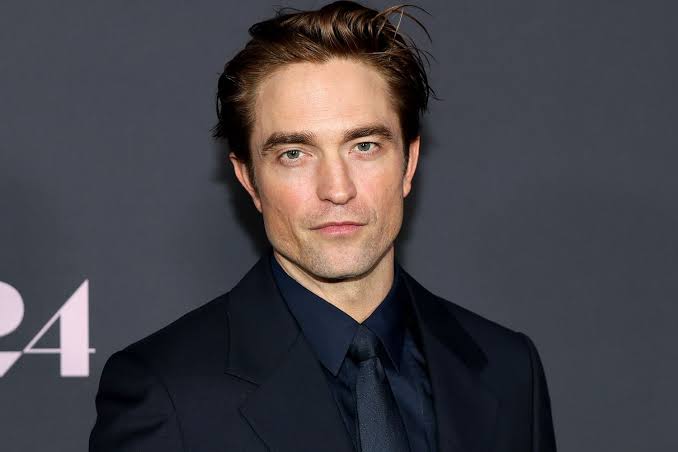
Amazon MGM Studios has officially appointed British actor Robert Pattinson as the next James Bond, placing one of Hollywood’s most commercially proven leading men at the helm of its flagship intellectual property following a high-stakes executive search.
Revealed via a coordinated digital rollout across official 007 channels on Monday, November 16, 2026, the casting marks the most consequential corporate decision for the franchise since Amazon acquired MGM for $8.5 billion and subsequently paid more than $1 billion in 2025 to secure full creative control from longtime stewards Barbara Broccoli and Michael G. Wilson. Pattinson, 40, becomes the seventh actor to portray Ian Fleming’s British secret agent in the official Eon-originated canon, succeeding Daniel Craig.
For Amazon MGM, securing Pattinson required departing from traditional franchise contracting norms. Industry reports indicate that while rival contenders on the final shortlist were required to commit to four-film test deals, studio executives structured a bespoke three-picture agreement with a substantially higher upfront fee to land Pattinson. The move underscores a strategic pivot by producers Amy Pascal and David Heyman—working alongside director Denis Villeneuve and screenwriter Steven Knight—to pair prestige filmmaking credentials with immediate global box-office bankability ahead of a projected 2027 production start and 2028 theatrical release.
The announcement concludes a months-long casting process overseen by casting director Nina Gold that began in May 2026. Before widening the net to established A-list talent, producers initially narrowed the field to a three-man shortlist of rising British actors—Callum Turner, Jack Lowden, and Josh O’Connor—for final screen tests in late October. Dissatisfied with committing a multibillion-dollar reboot to a lesser-known lead, executives subsequently expanded the final five-actor testing pool to include Pattinson and Nicholas Hoult. Earlier speculative frontrunners, including Aaron Taylor-Johnson, fell out of contention once Amazon MGM assumed full creative authority over the property.
From a balance-sheet perspective, the stakes surrounding Pattinson’s debut—the 26th official installment—are immense. Since Sean Connery first introduced the character on screen in 1962’s Dr. No, the 25 official films have generated nearly $8 billion in global theatrical receipts, ranking James Bond as the fifth highest-grossing film property in cinema history behind Marvel, Star Wars, Harry Potter, and Spider-Man. Beyond ticket sales, the brand operates as a resilient licensing and corporate sponsorship engine, generating roughly $200 million per modern release in brand partnerships and up to $5 billion in lifetime ancillary licensing revenue.
Over more than six decades, the franchise’s commercial trajectory has been defined by calculated reinventions across six preceding leading men. Sean Connery established the blueprint across six official films between 1962 and 1971, interrupted briefly by Australian model George Lazenby’s single appearance in 1969’s On Her Majesty’s Secret Service. Roger Moore steered the series toward lighter, globally expansive escapism across seven installments from 1973 to 1985, before Timothy Dalton introduced a grittier tone in two films between 1987 and 1989. Pierce Brosnan revitalized the brand’s modern commercial appeal across four outings from 1995 to 2002, paving the way for Daniel Craig’s five-film tenure from 2006’s Casino Royale through 2021’s No Time to Die—an era that delivered the franchise’s highest box-office peak when 2012’s Skyfall surpassed $1.1 billion worldwide.
Now operating wholly under Amazon’s corporate umbrella, the franchise enters an uncharted commercial phase. By pairing Villeneuve’s visual scale with Pattinson’s crossover appeal—spanning studio tentpoles like The Batman and critically acclaimed independent cinema—Amazon MGM is signaling that theatrical event-building remains the core engine designed to drive downstream Prime Video engagement and global brand equity for the next decade.