
Retail & Consumer Markets
OK Zimbabwe Exits Zimbabwe Stock Exchange After 25 Years as Corporate Rescue Deepens
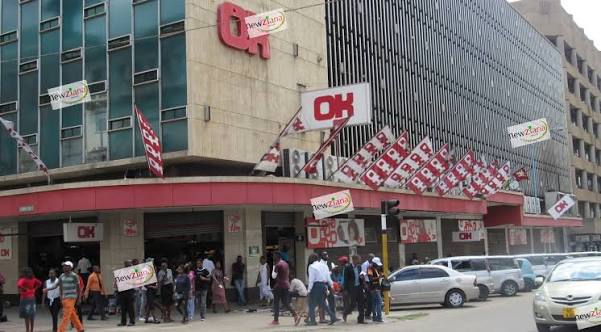
Troubled retail giant OK Zimbabwe has officially delisted from the Zimbabwe Stock Exchange following shareholder and regulatory approval, bringing an end to its 25-year tenure on the local bourse as its corporate rescue proceedings continue.








Cassava’s Cape Town AI Factory Reaches Full Capacity as Demand for Computing Surges

UN to pilot credit guarantee for youth-led businesses, pressing corporates to buy from them

OK Zimbabwe Exits Zimbabwe Stock Exchange After 25 Years as Corporate Rescue Deepens

What is Robert Kiyosaki’s net worth after his latest book flop?

Egypt’s Richest Man, Nassef Sawiris’ Wealth Surges by $410M in Just over a Week.

Billionaires Who Didn’t Go to College
-
 Business & Economy3 years ago
What is Robert Kiyosaki’s net worth after his latest book flop?
-
Business & Economy3 years ago
Egypt’s Richest Man, Nassef Sawiris’ Wealth Surges by $410M in Just over a Week.
-
Business & Economy3 years ago
Billionaires Who Didn’t Go to College
-
Business & Economy3 years ago
Africa’s youngest billionaire: Mo Dewji’s impactful empire extends beyond wealth
-
Business & Economy3 years ago
Meet World’s Richest Family Who live In $478m House, Own 700 Cars
-
Technology & Telecommunications3 years ago
Liquid C2 partners with Google Cloud and Anthropic to bring advanced cloud, cyber security and generative AI capabilities to Africa
-
Business & Economy3 years ago
Malawian Billionaire Thom Mpinganjira’s Fortune Drops by $8 Million in a Month
-
Business & Economy3 years ago
Zimbabwe’s Beverage Industry: A Digital Marketing Analysis of Delta Beverages and Varun Beverages Zimbabwe