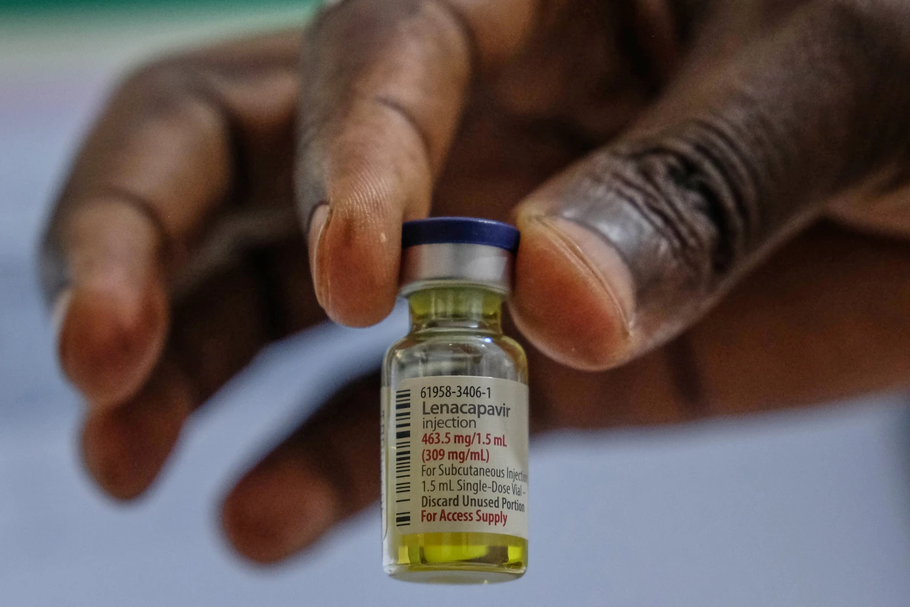
Tuesday, November 3, 2026 — As a country with one of the highest HIV prevalence rates globally, Zimbabwe, like much of Africa, has long battled a double-edged sword: the virus itself and the logistical and financial hurdles of preventing its spread. But this week, a ray of hope pierced the narrative, and it comes in the form of a game-changer: lenacapavir, the world’s first twice-a-year injectable for HIV prevention.
This isn’t just another addition to the arsenal against HIV/AIDS. For millions of Zimbabweans and Africans, particularly young women, who are disproportionately affected by the epidemic, lenacapavir promises a revolution in pre-exposure prophylaxis (PrEP).
Why Lenacapavir is a Breakthrough: Effectiveness Unprecedented
Unlike the daily oral PrEP pills, which demand unwavering adherence and can be susceptible to user error, lenacapavir, when administered every six months, offers a powerhouse of protection. In two groundbreaking clinical trials, including the PURPOSE 1 trial among young women in South Africa and Uganda, the injectable demonstrated unprecedented effectiveness, virtually eliminating new HIV infections. This near-perfect prevention rate is what makes lenacapavir so significant, offering a reliable, long-acting shield against the virus.
Affordability: The Essential Catalyst for Africa’s HIV Response
The true triumph, however, is not just the drug’s potency but also its potential for affordability in the very countries that need it most. Initial announcements indicate that the generic version of lenacapavir, developed by India-based Dr Reddy’s Laboratories, is expected to cost approximately $40 per person per year in low- and middle-income countries (LMICs), including Zimbabwe. This price point is not only a fraction of its cost in wealthier nations but also matches the current price of daily oral PrEP tablets.
This critical breakthrough was made possible through a collaboration between global health agencies, research institutes, and generic manufacturers, including Unitaid, the Clinton Health Access Initiative (CHAI), and Wits RHI, a South African health research institute. Their concerted effort, combined with voluntary licensing agreements, has paved the way for earlier generic entry into the market, even before patent expiry.
Zimbabwe and Africa: A Historic Opportunity to Turn the Tide
The potential gains for Zimbabwe and Africa, the epicenter of the global HIV epidemic, are immense.
-
Empowering the Most Vulnerable: Young women and adolescent girls in sub-Saharan Africa are disproportionately affected by HIV. For them, a twice-yearly injection offers a discreet and highly effective prevention option, overcoming barriers such as stigma, difficulty in maintaining daily pill regimes, and lack of control over sexual encounters.
-
Strengthening Global HIV Prevention Programmes: Lenacapavir can significantly bolster global efforts to scale up PrEP to the millions who need it. According to global health agencies, expanding PrEP access from its current levels to 20 million people globally by 2030 is critical to reducing new HIV infections, which remain unacceptably high at an estimated 1.3 million per year.
-
Economic Gains: Beyond saving lives, reducing HIV transmission will alleviate the substantial economic burden associated with treatment, care, and lost productivity. This represents a long-term investment in Africa’s future, freeing up resources for other critical development priorities.
-
Boosting Africa’s Pharmaceutical Capacity: The call for urgent action to ensure equitable access includes enabling large-scale generic manufacturing on the African continent itself. This could not only lower prices through transparent pricing frameworks but also enhance sustainable supply and stimulate local pharmaceutical industries.
A Watershed Moment: Turning Science into Reality
The announcement of these agreements has been hailed as a watershed moment by global health leaders like Winnie Byanyima, Executive Director of UNAIDS. It represents a historic opportunity to turn years of scientific breakthrough into a tangible, life-saving reality for those who need it most.
Gilead Sciences, the originator company, has established royalty-free licensing agreements with six generic manufacturers, covering 120 primarily low and middle-income countries. This strategy is seen as a fast and sustainable path to expanding access to these vital medicines.
However, the work is not complete. Global health agencies emphasize the need for continued political will and funding to turn these landmark agreements into actual scale-up on the ground. Communities have waited long for innovative prevention options, and the world must now act with urgency and accountability to ensure lenacapavir reaches everyone who needs it.
Initial generic lenacapavir supplies are expected to reach selected countries within weeks, and broader availability is anticipated in 2027. This represents a monumental leap forward, a shot at ending AIDS as a public health threat, and a testament to what is possible when science, advocacy, and collaborative partnerships converge to prioritize equitable access for all. For Zimbabwe and Africa, it is a game-changer we can’t afford to miss.