The proposed Dangote petroleum infrastructure project in Namibia could mark a significant shift in Southern Africa’s fuel supply chain, with implications for fuel imports, logistics, energy investment, competition and regional trade.
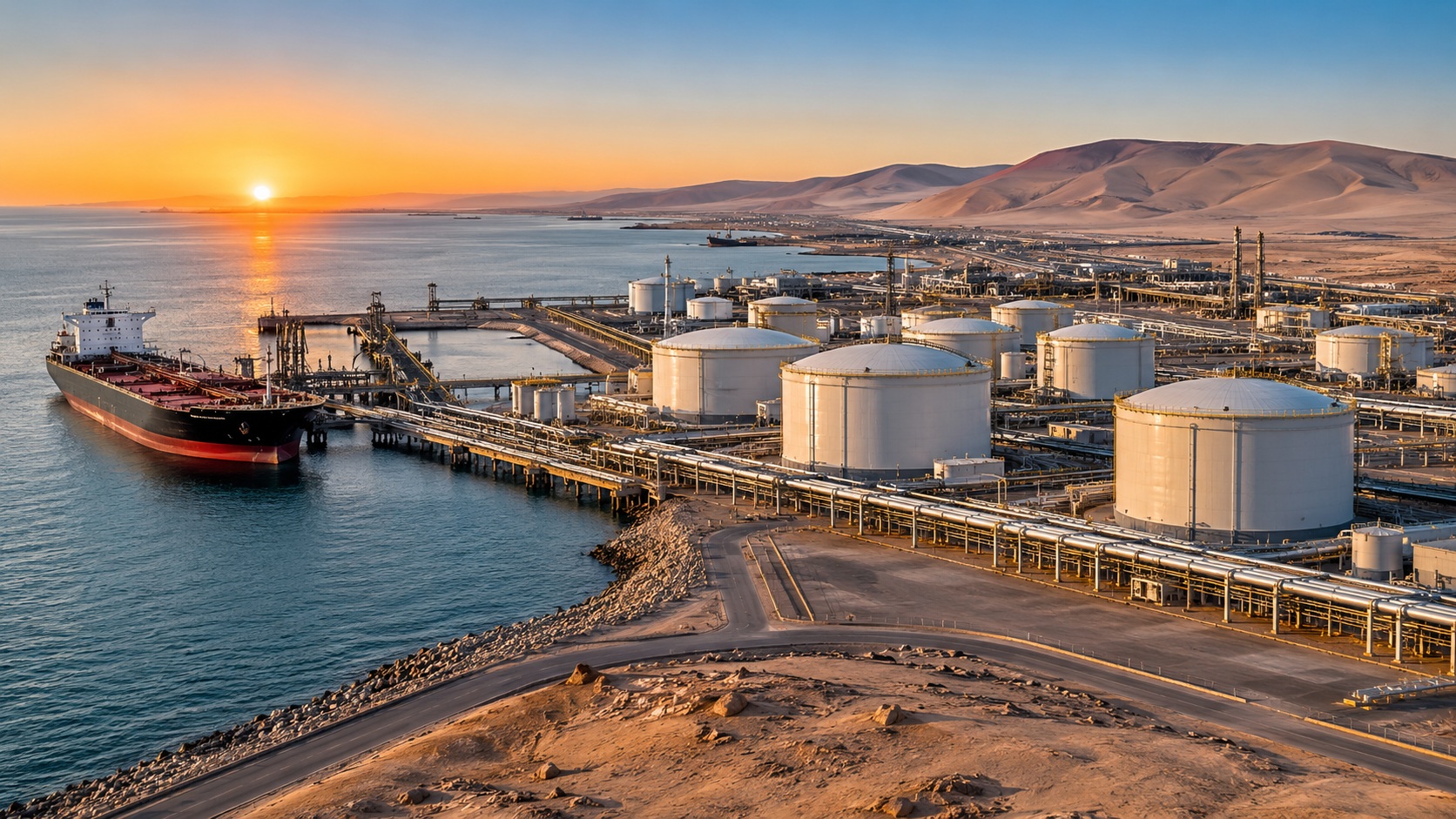
The project, centred on a major fuel storage terminal at Walvis Bay and a proposed regional pipeline network, is intended to strengthen Namibia’s position as a petroleum distribution gateway serving neighbouring economies.
For Zimbabwe, the development could create an alternative fuel supply corridor, potentially improving supply security, introducing competition and reducing transportation costs. However, the extent of its impact will depend on construction progress, regulatory approvals, pipeline access and commercial pricing arrangements.
Dangote’s Namibia project is not a refinery
Despite descriptions circulating about a “Dangote refinery in Namibia”, the proposed development is not a new petroleum refinery.
It is a fuel storage and distribution infrastructure project intended to facilitate the movement of refined petroleum products from supply sources, including Dangote’s Nigerian refinery, into Southern African markets.
The project was launched in November 2026 at Walvis Bay, with an estimated investment of US$2.5 billion.
The proposed facility is expected to have storage capacity of approximately 600 million litres, comprising 360 million litres of diesel and 240 million litres of petrol.
The associated pipeline network is expected to extend approximately 1,700 kilometres, with the intention of connecting Walvis Bay to inland regional markets, including Botswana, Zimbabwe and Zambia.
The investment could transform Walvis Bay from a maritime entry point into a major regional petroleum storage and distribution hub.
However, the project remains subject to regulatory approvals, construction and the implementation of its associated pipeline infrastructure.
Project status
The project has moved beyond an initial investment announcement, with a groundbreaking ceremony held in November 2026.
However, the groundbreaking does not mean that all construction approvals have been secured.
Environmental clearance for the proposed petroleum storage facilities and pipeline infrastructure remained outstanding as of 19 November 2026.
The environmental assessment process was underway, with public consultation completed and assessment reports being prepared for submission to the relevant authorities.
The project requires environmental approval before the petroleum infrastructure can proceed with construction.
The distinction is important for businesses and investors. Although the project has attracted considerable commercial and political attention, its delivery timetable remains dependent on regulatory approvals, financing, construction and the implementation of the pipeline network.
The pipeline is particularly important because the storage terminal alone would not eliminate transportation costs associated with moving fuel into landlocked markets.
Why Namibia is emerging as a strategic fuel corridor
Namibia’s attraction lies in its geographical position, port infrastructure and access to landlocked Southern African economies.
Walvis Bay offers a maritime entry point for petroleum products that can subsequently be distributed inland.
A large storage terminal could allow fuel importers to purchase, store and distribute products more efficiently, potentially reducing dependence on immediate delivery arrangements and a single transport route.
The development also aligns with Namibia’s ambition to strengthen Walvis Bay as a logistics and transport hub serving regional economies.
Dangote’s wider African strategy increasingly focuses on connecting production capacity with storage infrastructure and distribution networks.
Its Nigerian refinery provides the supply base, while regional terminal and pipeline investments could give the group greater control over how refined products reach customers.
Producing fuel is only one part of the petroleum business. Storage, transportation, trading, distribution and market access are equally important in determining how efficiently products reach consumers and how competitively they can be priced.
The Walvis Bay project could therefore become an important component of Dangote’s regional expansion strategy.
What the project could mean for Zimbabwe
Zimbabwe is among the regional markets that could potentially benefit from the proposed pipeline and storage infrastructure.
The country relies heavily on imported petroleum products to sustain transport, mining, agriculture, manufacturing, electricity generation and retail distribution.
Fuel costs feed directly into the operating expenses of almost every major productive sector.
A supply corridor connecting Walvis Bay to Zimbabwe could introduce an additional distribution route, potentially reducing dependence on existing fuel import corridors.
However, the scale of the benefit will depend on whether the pipeline reaches Zimbabwe, the commercial terms governing access, the volumes delivered and the costs of distributing fuel from the terminal to consumers.
Potential reduction in fuel logistics costs
Fuel logistics form a significant component of the landed cost of petroleum products.
A pipeline could reduce reliance on long-distance road transportation, particularly for bulk diesel and petrol deliveries.
Compared with trucking, pipelines can potentially move large volumes continuously, with fewer vehicle-related costs, less exposure to road congestion and potentially improved transport efficiency.
If the Walvis Bay-Zimbabwe connection becomes operational and offers competitive tariffs, fuel importers could benefit from lower transportation costs.
Potential savings could extend to fuel wholesalers, mining companies, transport operators, agricultural producers, manufacturers and retail fuel operators.
The critical question, however, is whether lower logistics costs translate into lower wholesale prices.
Pipeline tariffs, storage charges, financing costs, handling fees, fuel procurement prices, taxation and downstream distribution could absorb some of the potential savings.
A new infrastructure route does not automatically mean cheaper fuel. It creates the possibility of improved cost efficiency, which must be demonstrated through actual pricing and operating arrangements.
Greater supply security and diversification
Zimbabwe’s access to an additional fuel supply corridor could strengthen its resilience against disruptions affecting existing routes.
A diversified supply system reduces risks associated with congestion, transport interruptions, infrastructure failures and disruptions in particular trading markets.
Walvis Bay could potentially complement Zimbabwe’s existing fuel supply arrangements rather than replace them.
For businesses, the benefit of diversified fuel supply is not simply about availability at filling stations. It concerns the ability to plan operations, manage inventories, reduce interruptions and maintain production during periods of logistical uncertainty.
Mining operations, trucking companies and agricultural businesses are particularly exposed when fuel deliveries are delayed or become expensive.
Additional storage capacity in the region could create greater flexibility in supply planning and inventory management.
More competition in the fuel import business
The emergence of a large regional storage and distribution network could change the competitive landscape of petroleum trading.
Fuel importers compete through procurement arrangements, supplier relationships, financing, transport networks, inventory management and distribution infrastructure.
A Dangote-backed supply corridor could introduce a new source of competition in wholesale fuel supply and potentially change how companies negotiate petroleum purchases.
Importers with access to the Walvis Bay terminal could benefit from alternative sourcing arrangements.
Companies relying on established supply chains may face greater pressure to improve efficiency, negotiate better procurement terms and diversify their supply portfolios.
The potential market impact will depend on whether Dangote supplies Zimbabwe directly, sells to existing importers, establishes local commercial partnerships or develops its own distribution arrangements.
The project could increase competition, but its commercial structure will determine how much of that competition reaches wholesale and retail markets.
Opportunities for transport, logistics and infrastructure businesses
The proposed pipeline could generate opportunities beyond the petroleum industry.
Its development and operation could stimulate demand for engineering and construction services, pipeline maintenance, technical services, warehousing, storage management, security, transport support, equipment supply, industrial procurement, insurance and financial services.
Zimbabwean companies could potentially participate in construction, maintenance, procurement and support services if the project creates opportunities for regional contractors and suppliers.
The wider business opportunity is the development of a petroleum logistics ecosystem around a new supply corridor.
Companies that position themselves early in engineering, industrial services, freight, storage, safety and supply-chain management could benefit from increased commercial activity.
Which sectors stand to benefit?
Mining
Lower fuel transportation costs could improve operating margins for diesel-intensive mines, particularly where fuel accounts for a significant share of production costs.
Transport and logistics
Transport operators could benefit if lower wholesale fuel costs reduce fleet operating expenses and improve route profitability.
Agriculture
Diesel-dependent farmers could benefit from more reliable supply and potentially improved fuel procurement costs during planting, irrigation and harvesting.
Manufacturing
Manufacturers could benefit from reduced transport costs, more reliable deliveries and lower fuel-related overheads where price reductions materialise.
Fuel retail
Retailers could face a more competitive supply environment, creating opportunities to improve pricing, service, location strategy and customer retention.
The regional implications
The Dangote project introduces the possibility of a more competitive petroleum logistics environment in Southern Africa.
Zimbabwe’s fuel supply infrastructure has historically relied heavily on regional import corridors and established bulk transport networks.
A Walvis Bay connection could offer another route through Namibia and Botswana, potentially changing fuel logistics economics.
This could increase competition between supply corridors, storage operators, transport providers and petroleum traders.
However, existing infrastructure is not easily displaced. Established routes have developed commercial relationships, operating systems, infrastructure capacity and access to markets.
For Walvis Bay to compete successfully, it will need to offer commercially attractive supply prices, reliable throughput, efficient operations and competitive pipeline tariffs.
The project could gradually alter regional fuel distribution patterns if it delivers these advantages.
It is unlikely, however, that a single corridor would immediately replace the existing petroleum infrastructure serving Zimbabwe.
The more realistic outlook is increased route diversification and competition.
The risks businesses and investors should watch
The project’s scale creates opportunities, but its commercial success is not guaranteed.
Regulatory delays
Environmental approvals remain a critical requirement.
The outstanding clearance process could affect the construction schedule, particularly if additional assessments, conditions or modifications are required.
Pipeline execution
A regional pipeline crossing multiple jurisdictions will require coordination among governments, regulators, land authorities, infrastructure operators and commercial partners.
The route, financing arrangements, construction costs, operating agreements and cross-border regulatory framework will influence the project’s viability.
Commercial pricing
For Zimbabwe, the decisive factor will be the final landed cost of fuel.
Businesses should not assume that fuel will become cheaper simply because a pipeline is constructed.
Savings must be measured against fuel procurement costs, storage, pipeline tariffs, financing, taxation and downstream distribution.
Competition and market structure
A major supplier entering the regional market could increase competition.
However, the extent of that benefit will depend on the number of participants using the infrastructure, access terms and the pricing model.
If the infrastructure becomes commercially dominated by a limited number of suppliers, the benefits of additional capacity may not necessarily be reflected in lower consumer prices.
Energy transition risks
The project is a long-term infrastructure investment in petroleum products at a time when electric mobility, renewable energy, energy efficiency and alternative technologies are gradually changing energy markets.
Although diesel and petrol are expected to remain important to African economies for years, investors must consider future demand, utilisation rates, infrastructure payback periods and changing fuel consumption patterns.
The commercial challenge will be ensuring that the infrastructure remains economically viable throughout its operating life.
Business Diary Analysis
The Dangote project is potentially more significant for Zimbabwe than its headline investment figure suggests.
Its importance lies in the possibility of changing the economics of fuel distribution in a country where petroleum prices influence almost every productive sector.
If the Walvis Bay terminal and regional pipeline are completed as planned, Zimbabwe could gain access to an alternative bulk fuel supply corridor.
This could improve supply resilience, introduce additional competition among fuel suppliers and potentially reduce transportation costs for businesses.
For the mining sector, transport operators, farmers and manufacturers, even modest reductions in fuel-related operating costs could improve margins, particularly for businesses operating on tight margins or consuming large volumes of diesel.
But the benefits are not guaranteed.
The infrastructure must be completed, access to the pipeline must be commercially viable, and the resulting savings must reach the businesses purchasing fuel.
The project also presents a strategic question for Zimbabwe: whether the country will simply become a destination market for imported fuel or actively position itself to benefit from the investment through logistics, trading, industrial services, infrastructure partnerships and regional commerce.
The opportunity extends beyond buying fuel. It could involve participating in the business infrastructure that makes fuel distribution possible.
What happens next?
The developments that will determine the project’s commercial significance include:
- Environmental approvals: Whether outstanding regulatory processes are completed and the project receives the necessary construction clearances.
- Construction commencement: Whether physical construction progresses beyond the groundbreaking stage.
- Pipeline route confirmation: The final route, connection points and infrastructure arrangements serving Zimbabwe and other regional markets.
- Financing and implementation: Confirmation of how the project will be financed, delivered and operated.
- Zimbabwean participation: Whether local businesses, petroleum companies, transport operators and industrial suppliers secure opportunities within the project.
- Fuel pricing: Whether the new corridor produces measurable savings in landed fuel costs and wholesale prices.
These developments will determine whether Walvis Bay becomes a major alternative petroleum supply hub for Zimbabwe or remains primarily a large storage investment with a more limited regional reach.
Key takeaways
- Dangote’s Namibia project is a fuel storage and distribution infrastructure development, not a refinery.
- The proposed US$2.5 billion project includes a 600-million-litre terminal and a planned regional pipeline network.
- Zimbabwe is among the intended markets that could benefit from improved fuel supply logistics.
- Potential benefits include supply diversification, lower transportation costs, greater competition and improved fuel security.
- The economic benefits will depend on construction, regulatory approvals, pipeline access, commercial tariffs and whether cost savings reach businesses and consumers.
The bottom line
Namibia’s emerging role in Dangote’s petroleum distribution strategy could reshape fuel logistics across Southern Africa.
For Zimbabwe, the opportunity is potentially lower logistics costs, greater supply resilience and new commercial opportunities.
But the real economic impact will be determined not by the size of the investment announcement, but by the cost, reliability and accessibility of the fuel that eventually reaches the market.