By Staff Reporter
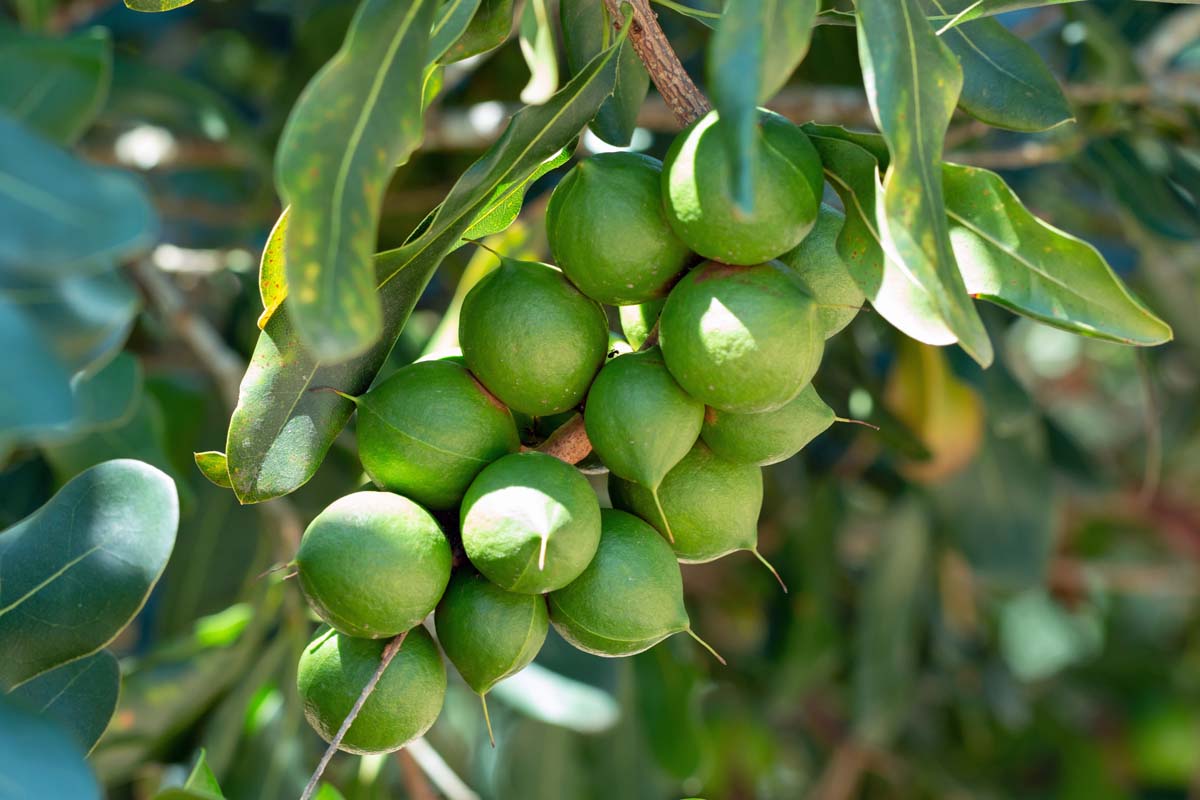
Once a niche crop grown quietly in Zimbabwe’s eastern highlands, macadamia nuts are emerging as one of the country’s most promising agricultural exports — and a potential symbol of how value addition can reshape rural economies.
Often dubbed the “green diamond of Chipinge,” macadamia production is concentrated in Manicaland province, particularly Chipinge and Chimanimani though production is gradually moving to other districts.
With global demand rebounding — especially in Asian markets — Zimbabwean farmers are finding renewed optimism after several years of depressed prices.
The turning point came with Zimbabwe’s successful negotiation of phytosanitary access to the Chinese market, allowing direct exports of macadamia nuts and avocados for the first time.
Zimbabwe recently secured access to export avocados and macadamia nuts to China for the first time after signing the Protocol for Phytosanitary Requirements for Export.
China imports an estimated US$27 million worth of macadamias annually, and Zimbabwe’s current contribution of about US$8.5 million is expected to rise steadily.
Recent visits by Chinese buyers to Chipinge, facilitated by ZimTrade, marked a significant shift. By engaging farmers directly, buyers eliminated intermediaries that have historically absorbed a large share of profits. This move has the potential to increase profit margins for local growers.
Manicaland is home to over 530 macadamia farmers and is well positioned to capitalise on this opportunity, with the sector already showing promising growth, particularly in Chipinge.
“This is a game changer for farmers,” said Mr. Fortunate Gurai, secretary-general of the Macadamia Nuts Association of Zimbabwe. “Direct engagement improves pricing transparency and margins.”
However, all these positive developments will only fully benefit Zimbabwean farmers if they focus on value addition.
Despite export growth, Zimbabwe remains stuck at the lowest rung of the value chain. Most macadamia nuts are exported in-shell, limiting earnings and exporting potential jobs along with raw produce.
“Europe and the United States only buy shelled nuts,” Gurai said. “But Zimbabwe does not yet have a cracking plant.”
According to industry data, the country produces around 8,000 tonnes per year, well below the 20,000-tonne threshold often required by large-scale processors to justify investment.
This structural challenge mirrors a broader regional pattern, where agricultural exporters struggle to move beyond raw commodities.
Mr Munyaradzi Rubaya, Director for Economic Affairs in the Ministry of State for Manicaland Provincial Affairs and Devolution, emphasised the need to scale up value addition projects.
“There is still a long way to go to add value to the macadamia crop in Manicaland,” he said.
There are, however, signs of progress.
Mr. Munyaradzi Rubaya, director for economic affairs in the Ministry of State for Manicaland, confirmed that a private processing plant is under construction in Chipinge, spearheaded by a local investor.
Once operational, the facility is expected to benefit hundreds of farmers.
“Most nuts are currently exported through South Africa without being processed. This is where we currently stand,” said Mr Rubaya.
Tanganda Tea Company, a major agro-industrial player, has also indicated interest in establishing a macadamia processing facility at New Year’s Gift, although timelines remain uncertain.
Small-scale farmers are not waiting idly. Ashirai Mawere, a Chipinge farmer, said cooperatives are pursuing macadamia oil extraction as an entry point into value addition.
“As small-scale farmers, we have secured a place in Harare where we will extract macadamia oil. We are also applying for land in Chipinge to start this project,” he said.
Mr Fortunate Gurai, Secretary-General of the Macadamia Nuts Association, highlighted that Zimbabwean farmers are limited in their ability to export directly.
“Chinese buyers accept macadamia nuts in the shell, which is why we sell there. Other markets, such as Europe and the USA, only buy shelled nuts,” he said.
“However, Zimbabwe does not have a macadamia cracking plant, partly because local production — currently 8,000 tonnes per year — is below the minimum 20,000 tonnes some investors require for processing facilities.”
Due to these limitations, farmers often sell to middlemen who export the nuts, Mr Gurai said,
“Many farmers cannot sell directly to Asia because of small quantities. Since the COVID-19 outbreak, prices have not fully recovered. We are calling for buyers to review prices so we can cover production costs.”
Southern Africa dominates global macadamia production, with South Africa leading exports. Zimbabwe’s comparative advantage lies in climate, land availability and growing institutional support — but analysts warn that without processing capacity, the country risks remaining a price-taker.
ZimTrade communications manager Danai Majaha said the agency is intensifying market development efforts.
“Beyond China, we are exploring emerging markets and niche segments,” he said.
For policymakers, macadamia represents a microcosm of Zimbabwe’s broader economic ambition: export-led growth anchored in value addition.
If processing capacity expands, the sector could generate rural employment, improve foreign currency earnings and stabilise farmer incomes.
The green diamond, economists argue, will only shine brighter if Zimbabwe polishes it at home.