Business
SADC Calls for Zimbabwe Sanctions Removal: Economic Impact on Business and Investment
Published
2 hours agoon
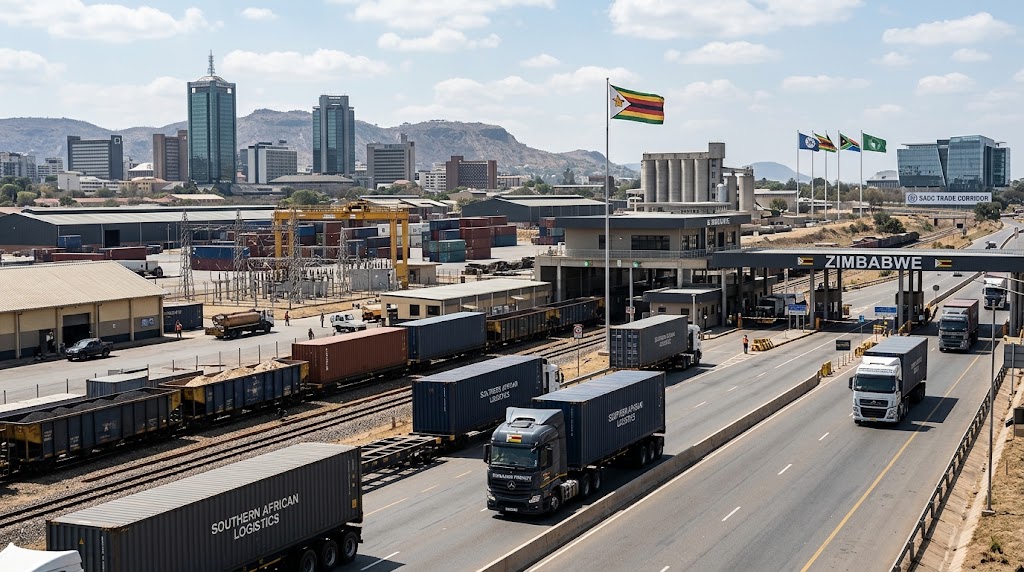
SADC has again demanded the complete and unconditional removal of sanctions on Zimbabwe, arguing that their effects spread across the regional economy. But some restrictions have already been lifted and others remain. So the business question is this: what are sanctions costing Zimbabwe and its trading partners, and what would their removal change for investment, finance and regional growth?
On 25 October 2026, SADC Chairperson and South African President Cyril Ramaphosa repeated the demand in a statement for SADC Anti-Sanctions Day. He said the restrictions add to the burden on Zimbabweans and undermine shared regional economic goals, and he urged the countries responsible to prioritise dialogue.
Two days earlier, African Union Commission chairperson Mahmoud Ali Youssouf backed that position. He said unilateral sanctions have limited Zimbabwe’s access to international financial systems, discouraged foreign investment, raised business costs and restricted development assistance. SADC leaders created Anti-Sanctions Day in August 2019, setting 25 October as an annual date to press the issue.
This analysis looks past the diplomatic statements to what matters for business: the cost of finance, the ability to pay and be paid across borders, investor confidence and the efficiency of regional supply chains.
Key takeaways
- SADC renewed its call for the complete and unconditional removal of sanctions on 25 October 2026, and the African Union reinforced the appeal.
- The United States ended its Zimbabwe-specific sanctions programme in 2024 but kept targeted designations under the Global Magnitsky framework. The EU lifted travel-ban and asset-freeze provisions in February 2026 and kept an arms embargo.
- Compliance risk and bank de-risking can complicate legitimate transactions. Debt arrears, currency risk and domestic policy also constrain Zimbabwe’s economy.
- Further relief could cut specific barriers to finance, trade and investment for Zimbabwean firms and regional partners.
- SADC’s influence rests on collective diplomacy, dialogue and regional cooperation. Real progress depends on legal changes, domestic reforms and actual commercial results.
Which sanctions on Zimbabwe are still in place?
“Sanctions on Zimbabwe” is not one comprehensive trade embargo. The measures have changed over time, and the US, EU and other jurisdictions run different regimes. The difference matters: a targeted asset freeze affects business differently from limits on financing, trade or technology.
| Jurisdiction | Current position |
|---|---|
| United States | On 4 March 2024, Washington ended its Zimbabwe-specific sanctions programme. Designated individuals and entities moved to the Global Magnitsky framework, which targets alleged serious human rights abuses and corruption. |
| European Union | On 17 February 2026, the EU extended its arms embargo until 20 February 2027 and lifted its travel-ban and asset-freeze provisions. It also said it wants to deepen trade and investment ties. |
| International lenders | Access to new official financing is affected by Zimbabwe’s longstanding arrears to creditors. This is a separate issue from sanctions. Clearing arrears and restoring creditworthiness remain key to new development finance. |
So SADC’s call for complete removal goes further than the changes Washington and Brussels have already made. For companies, the legal position in each jurisdiction matters more than the political label. A business may be free to trade with Zimbabwe yet barred from dealing with a specific sanctioned person or entity. The practical questions are which restrictions apply, to whom, to what activity and through which financial channels.
How sanctions affect Zimbabwe’s economy
The impact rarely shows up in one statistic. It appears as delayed payments, scarcer credit, higher compliance costs, lost commercial relationships and cautious investors. It also has to be read alongside Zimbabwe’s other constraints: debt arrears, policy uncertainty, foreign-exchange risk and governance concerns.
Banking, payments and trade finance
International banks must follow sanctions laws and weigh the risk of each country, customer and counterparty. When a transaction carries legal or reputational risk, a bank may ask for extra documents, delay it or decline it. Banks sometimes decide a market is not worth the compliance cost, a practice known as de-risking. Zimbabwe’s Ministry of Foreign Affairs has previously named correspondent-bank de-risking as a concern for the financial sector, though its older figures should not be read as current conditions.
The effects reach everyday business. An exporter may struggle to receive payment, an importer to pay for machinery or fertiliser, and a manufacturer to obtain a letter of credit. Delays and refusals raise costs and hurt delivery times, working capital and competitiveness.
Sanctions are not the only reason banks pull back. Currency convertibility, payment risk, anti-money-laundering controls, profitability and counterparty credit also matter. Removing sanctions would reduce one source of friction, not all of them.
Foreign investment and the cost of capital
Investors look at whether they can bring in capital, get paid, repatriate returns and use reliable legal and financial services. Sanctions can complicate this when a project involves a designated party, restricted equipment or a bank wary of compliance exposure. Even where a deal is legal, unclear rules can put investors off. The effect is strongest in mining, energy, infrastructure and manufacturing, where projects need large upfront capital and take years to pay back.
Less uncertainty could help eligible investments. But investors will still weigh Zimbabwe’s tax regime, property rights, exchange-rate arrangements, regulatory predictability and infrastructure. Sanctions relief can remove an obstacle, but it cannot replace a predictable investment environment.
Mining, agriculture and manufacturing
Zimbabwe’s export industries rely on international markets, finance, equipment and logistics.
- Mining: specialist machinery, processing technology, insurance, banking services and overseas buyers.
- Agriculture: inputs, irrigation equipment, fertiliser, storage and export finance.
- Manufacturing: imported machinery, components and raw materials.
The effect varies by sector and company. A mine with access to finance and equipment is in a different position from a firm linked to a sanctioned entity. Restrictions on military-related equipment are also not a ban on all civilian machinery. The commercial priority is to pinpoint where restrictions block legitimate activity and pursue their removal through diplomatic and legal channels. That also separates real sanctions barriers from infrastructure gaps, financing limits and domestic regulatory problems.
Why Zimbabwe sanctions matter to the SADC region and Africa
SADC argues that Zimbabwe’s constraints affect its neighbours because the region’s economies are linked. Zimbabwe’s businesses buy from and sell to neighbouring markets, and its roads, rail and border posts connect producers to regional ports and consumers. When Zimbabwean firms face higher finance costs or payment problems, some of that cost passes to suppliers, transporters and buyers in other countries.
South Africa
South Africa is the most exposed because of its deep bilateral trade and the role of its banks, logistics firms, manufacturers and service providers. Its companies supply Zimbabwe with machinery, food products, chemicals, vehicles and industrial inputs. If Zimbabwean importers cannot get trade finance or make cross-border payments, South African suppliers may see delayed settlements, higher costs or weaker demand. Removing sanctions would not fix payment delays caused by currency shortages or weak balance sheets, and South African banks would keep judging counterparties on their merits.
Botswana, Zambia and Mozambique
For these neighbours the stakes lie in transport, energy, agricultural trade and production networks. Zambia and Zimbabwe share transport and electricity links, and Mozambique’s ports give landlocked countries access to overseas markets. Zimbabwe’s ability to trade competitively therefore depends on infrastructure and services beyond its borders. Removing restrictions that block legitimate commerce could strengthen these networks, but the gain depends on real changes in finance, trade and investment, not declarations.
Regional integration and AfCFTA
SADC’s goal is a more integrated regional economy, and that works best when every member can trade and invest competitively. The right test is measurable: payment-processing times, trade volumes, investment commitments, logistics costs and the number of viable cross-border projects.
The African Union Commission’s 23 October 2026 statement added continental weight, arguing that unilateral sanctions limit Zimbabwe’s financial access, investment and development assistance. For Africa, the link is to intra-African trade, industrialisation and regional value chains. Zimbabwe could do more in mineral processing, agricultural supply, manufacturing and transport and professional services. The African Continental Free Trade Area (AfCFTA) aims to lower trade barriers, but tariff preferences alone cannot make trade competitive if firms face costly credit, unreliable logistics, unpredictable regulation or payment problems. Sanctions relief would need to come with domestic reforms and investment in infrastructure and institutions.
The global view, the counter-argument and SADC’s role
What global investors need
For international investors and trading partners, the issue is clarity, compliance and risk. Because the US ended its Zimbabwe-specific programme in 2024 and the EU narrowed its measures to an arms embargo in February 2026, companies should check the actual legal position instead of assuming every Zimbabwe transaction is prohibited. A bank, manufacturer or fund must ask whether a deal involves a designated person, a restricted product, a prohibited service or another legal exposure. Sanctions rules may also apply through a company’s place of incorporation, ownership, operations or use of particular financial systems.
Clearer, lighter rules would ease compliance and help Zimbabwean firms find international partners in mining, agriculture, energy, tourism and manufacturing. Investors will still weigh sovereign risk, policy consistency, contract enforcement, corruption risk and the ability to repatriate returns. Sanctions removal is one part of re-engagement, not a guarantee of an investment surge.
Sanctions are not the whole story
The United States says its targeted sanctions address corruption and serious human rights abuses, and it described its March 2024 move as a more targeted approach under Global Magnitsky. The EU says its remaining restrictions are narrowly focused. Both positions differ from SADC’s demand for complete removal. The underlying policy question is how governments can respond to governance and human rights concerns without needlessly blocking legitimate trade, investment or humanitarian activity.
There is also a domestic side. Debt arrears, relations with multilateral creditors, exchange-rate risk, property rights, policy consistency, infrastructure and governance would all remain even if every sanction were lifted. It would be misleading to blame all of Zimbabwe’s economic difficulties on sanctions. It would be equally premature to say targeted restrictions have no wider effects just because they are not a full trade embargo.
What SADC can realistically do
SADC cannot repeal US or EU laws. Those decisions rest with the authorities that imposed the measures. Its influence lies in three areas:
- Collective diplomatic pressure. A bloc gives Zimbabwe’s position more visibility than it has alone, and the AU’s October 2026 statement shows regional advocacy can be reinforced continentally.
- Negotiation and engagement. SADC can encourage structured dialogue on the legal basis of specific measures, the conditions for review and the protection of legitimate commerce, which would give businesses clearer policy signals.
- Regional resilience. Better payment arrangements, transport corridors, energy cooperation, investment partnerships and industrial value chains can cut costs for businesses while diplomacy continues.
What businesses and investors should watch
Six signals will show whether the renewed appeal produces results;
- Further sanctions changes: formal announcements and legal amendments from the US, EU and others.
- Banking relationships: better correspondent banking access, payment processing and trade finance.
- Investment commitments: new projects, financing agreements and verified capital, not expressions of interest.
- Debt resolution: Zimbabwe’s engagement with creditors and progress toward sustainable long-term financing.
- Domestic reforms: policy predictability, contract enforcement, foreign-exchange management and investor confidence.
- Regional trade: cross-border volumes, logistics costs and investment partnerships.
Together these separate the direct effects of sanctions relief from wider changes in Zimbabwe’s economy.
The Business Diary analysis
SADC’s concern is legitimate: restrictions that hit one member can create uncertainty and friction for businesses across connected markets. But the debate has to move beyond competing political statements. The current position is more nuanced than the phrase “sanctions on Zimbabwe” suggests, since the US has ended its Zimbabwe-specific programme and the EU has kept only an arms embargo.
Further change could reduce legal uncertainty and remove restrictions that block legitimate business. How much it helps depends on which measures are lifted and whether finance, trade and investment decisions actually change. For Zimbabwe, the task is to turn better international relations into competitive industries, stronger exports, productive investment and jobs, which also needs domestic policies that build confidence. For SADC, a Zimbabwe that trades and produces more efficiently means opportunities for neighbouring suppliers, banks, manufacturers and transporters. For international partners, clearer rules could open opportunities while keeping lawful compliance and responsible investment in place.
The strongest case for sanctions relief is not the symbolism of a diplomatic win. It is a more productive economy, more efficient regional trade and better commercial opportunities for people and businesses across Southern Africa. Sanctions relief can remove barriers. Sustainable growth depends on what Zimbabwe and its partners build once those barriers are gone.
What’s next
The next phase depends on whether the appeal leads to further formal changes in sanctions policy and whether Zimbabwe can strengthen the conditions that attract investment. The most useful signals for business are improved banking access, clearer compliance requirements, new investment commitments and stronger regional trade. For policymakers, the task is to pair diplomacy with reforms that make Zimbabwe a more predictable place to finance, produce and trade.
The Business Diary magazine is a comprehensive publication that centers around business and economic development news. It covers a wide range of topics including finance, mining, technology, environment, climate finance, and agriculture. With its focus on providing valuable insights and updates, the magazine caters to readers who are interested in staying informed about the latest developments and trends in the business and economic landscape of Zimbabwe.
Business
Zimbabwe Takes the COMESA Chair: What It Means for Business in the Region and at Home
Published
18 hours agoon
October 26, 2026
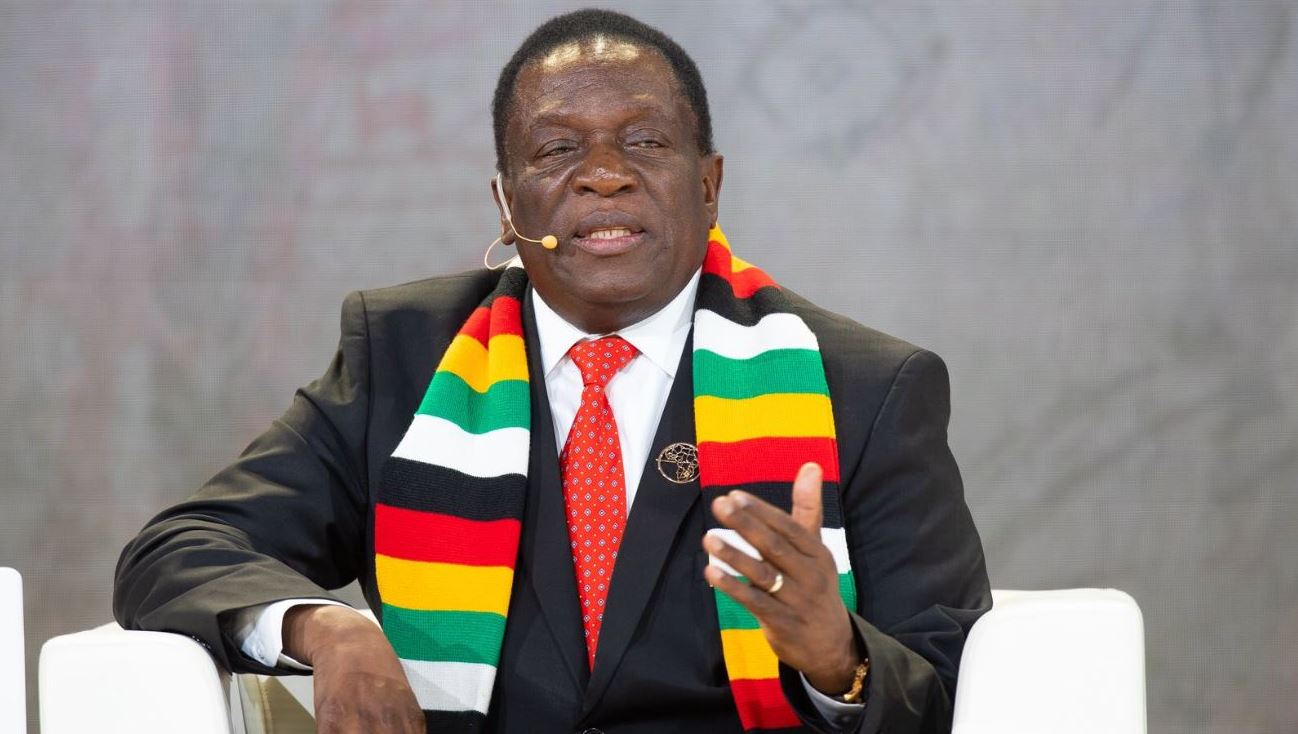
HARARE – Zimbabwe now leads one of Africa’s largest regional trade blocs. President Emmerson Mnangagwa accepted the chairmanship of the Common Market for Eastern and Southern Africa (COMESA) from Kenya’s President William Ruto at the 25th COMESA Summit in Harare on 22 October 2026. The Zimbabwe COMESA chairmanship runs for the 2026–2027 term and puts the country at the centre of regional decisions on trade, investment and industrialisation.
For business owners, exporters and investors, the practical question is what this will change.
What is COMESA and why does the chair matter?
COMESA brings together 21 member countries seeking to increase trade and investment through a more integrated regional market. The chair is more than ceremonial. The role helps set policy direction, strengthens coordination among member states and champions reforms aimed at deepening economic integration across Eastern and Southern Africa.
The handover followed a clear succession. Ruto took the chair at the 24th summit in Nairobi on 9 October 2025, and Zimbabwe served as vice chair in the year since. Foreign Affairs and International Trade Minister Amon Murwira has also taken over the chairmanship of the COMESA Council of Ministers, with trade, peace and security named as key priorities. Zambia’s President Hakainde Hichilema is the new Vice-Chair.
The summit theme: “One Market, One Future”
The summit ran under the theme “One Market, One Future: Advancing Inclusive Industrialisation, Investment and Regional Integration in COMESA.” That puts production and value addition ahead of raw commodity exports, which matches Zimbabwe’s own domestic economic agenda.
Zimbabwe’s priorities as chair
Government has signalled where it wants to push;
- Lower tariffs and fewer non-tariff barriers. Zimbabwe is placing tariff reduction and the elimination of non-tariff barriers at the top of its agenda. Border delays, inconsistent standards and paperwork are often a bigger obstacle to regional trade than tariffs.
- Food security, value addition and digitalisation. President Mnangagwa has named these among his priorities and described the chairmanship as a shared SADC responsibility.
- Peace and security. He has described peace and security as the foundation for development and integration within COMESA.
- Local business in the process. The President has said Zimbabwean businesses will be integrated into the country’s chairmanship to help open up new trade and economic opportunities.
What it means for business across the COMESA region
1. A louder push on trade barriers. Businesses across the bloc stand to gain if the chair delivers on non-tariff barriers. Smoother customs processes, mutual recognition of standards and quicker border clearance lower costs for every exporter.
2. Investment visibility. Ruto highlighted roughly US$1.7 billion in investor interest in Zimbabwe during the summit, according to reports. Interest is not yet investment, but a chair country in the spotlight tends to attract both. The summit also drew attention in other ways. More than 1,000 delegates were expected in Harare.
3. Industrial and green-industry cooperation. One concrete example is the agreement signed between ZimTrade and the Africa Leather and Leather Products Institute at the COMESA Green Industry Connect, which targets Zimbabwe’s leather value chain. Expect more deals of this kind in agro-processing, minerals beneficiation and manufacturing.
What it means for Zimbabwe
A chance to narrow a persistent trade gap. Zimbabwe has historically imported more from COMESA than it exports to it. A trade report put the country’s COMESA trade deficit at over US$604 million in 2022, and noted that Zimbabwe has liberalised 100% of its tariff lines in COMESA. Recent monthly figures show the pattern continuing. Imports from COMESA were valued at US$58.7 million in February 2026, led by salt and sulphur, cereals, vehicles and electrical machinery. Zimbabwe’s exports to COMESA in March 2026 included iron or steel products, coke and semi-coke, and tobacco.
The opportunity is to widen that export basket beyond a few commodities. Zimbabwean manufacturers, agro-processors and SMEs now have a government that is lobbying for lower barriers on their behalf.
Existing regional infrastructure. Harare already hosts the COMESA Clearing House and the COMESA Association of Commercial Banks. Combined with the chairmanship, this strengthens the city’s case as a hub for regional trade finance and payments.
Reputation. The chairmanship follows President Mnangagwa’s tenure as SADC chair, reflecting Zimbabwe’s growing role in regional and continental affairs. A stronger regional profile can help Zimbabwe’s case with investors and development partners.
The real test: delivery
Hosting a successful summit is the easy part. Delivery means using the chairmanship to advance practical measures that deepen trade, investment, industrialisation and regional integration. Intra-regional trade within COMESA remains low, and many earlier commitments have stalled at implementation.
Business should watch for three things over the next 12 months: concrete progress on non-tariff barriers, new financing and investment announcements converting into projects, and whether Zimbabwean exporters see real gains in market access.
What businesses should do now
- Check your COMESA readiness. Review product standards, certificates of origin and customs documentation.
- Engage industry bodies. ZimTrade, the Zimbabwe National Chamber of Commerce and the Confederation of Zimbabwe Industries are the main channels for trade facilitation and deal-making.
- Look beyond traditional markets. Zambia, Malawi and the DRC are established destinations, but the bloc offers 21 markets.
- Position for value addition. Processed and manufactured goods are where the policy focus is heading.
Bottom line
The Zimbabwe COMESA chairmanship is a real opening for Zimbabwean businesses and for the wider region, but the benefits depend on follow-through. If the chair delivers on trade barriers, financing and industrial cooperation, the 2026–2027 term could mark a step toward a more integrated regional market.
Business
COMESA Summit Harare Draws Oversubscribed Business Events
Published
2 weeks agoon
October 16, 2026
Registration for business events at the COMESA summit Harare hosts from 19 to 22 October has exceeded targets, according to the Zimbabwe National Chamber of Commerce (ZNCC). Accreditation began at the Harare International Conference Centre (HICC) on 15 October, and ZNCC president Josephine Takundwa said programme confirmation stands at 95 percent.
Zimbabwe will host the 25th Summit of Heads of State and Government of the Common Market for Eastern and Southern Africa (COMESA) on 22 October and take over the chair for 2026 to 2027 from Kenya, New Zimbabwe reported in July. The summit theme is “One Market, One Future: Advancing Inclusive Industrialisation, Investment and Regional Integration”. The COMESA Secretariat said the summit will launch the bloc’s Medium-Term Strategic Plan 2026 to 2030, covering integration, industrialisation and expanded intra-COMESA trade.
Registration against targets
ZNCC, which co-organises the 19th COMESA Business Forum with ZimTrade and the COMESA Business Council, gave these figures to Zimpapers Business: the Business Forum has 1,050 registrations against a target of 800, and Green Industry Connect has 891 against 500. The exhibition has 161 exhibitors against a target of 150, with registration still open. Registration for the conference closed on 14 October.
Green Industry Connect is on 19 October, the Business Forum on 20 October, and the exhibition runs from 19 to 21 October at the HICC. Foreign ministers meet on 21 October.
What the COMESA summit Harare agenda covers
Foreign Affairs and International Trade Minister Prof Amon Murwira told a post-Cabinet briefing that Zimbabwe will use its chairmanship to push for removing tariff and non-tariff barriers, along with better transport links, payment systems and visa arrangements. He cited a regional market of 640 million people and said Zimbabwe is working to liberalise its own visa regime.
Information Minister Dr Zhemu Soda said preparations, including funding and training, are progressing well. The Herald reported that much of the infrastructure used for the 2024 SADC Summit is being adapted for COMESA, and that more than 1,000 delegates are expected.
Trade context
Zimbabwe exported goods worth US$222 million to COMESA in 2025, up about 10 percent from US$200.9 million in 2024, according to figures reported by Botswana’s Daily News. Zambia took US$131.4 million, or 59 percent. Intra-COMESA exports were about US$14 billion in 2024, roughly 7 percent of the bloc’s goods exports of US$202 billion, according to COMESA figures reported by The Herald.
The Herald also reported that under the COMESA Free Trade Area, qualifying goods move between member states free of customs duties. It said Zimbabwe is taking part in the Electronic Certificate of Origin and a Simplified Trade Regime for small traders. The small intra-bloc share shows how much depends on non-tariff barriers, which tariff preferences alone do not remove.
Key figures
- Business Forum registrations: 1,050 against a target of 800 (ZNCC, 16 October 2026)
- Green Industry Connect registrations: 891 against 500 (ZNCC, 16 October 2026)
- Zimbabwe exports to COMESA: US$222 million in 2025, from US$200.9 million in 2024 (Daily News, date not shown)
- Intra-COMESA exports: about US$14 billion in 2024 (COMESA, reported by The Herald)
What to watch
The summit communique on 22 October will show whether member states commit to timelines on tariffs, non-tariff barriers and visas, and how the Strategic Plan sets targets for intra-COMESA trade. Investors should also look for deals from the 20 October Business Forum, and for Zimbabwe’s own visa liberalisation timetable, which has not yet been published.
Business
Zimbabwe’s Investment Agenda Enters a New Chapter as Tagwirei Takes Economic Development Portfolio
Published
2 weeks agoon
October 12, 2026
The swearing-in of Kudakwashe Tagwirei as Minister of Economic Development and Investment Promotion places investment mobilisation, industrial expansion and the conversion of economic potential into tangible results at the centre of a newly defined government portfolio.
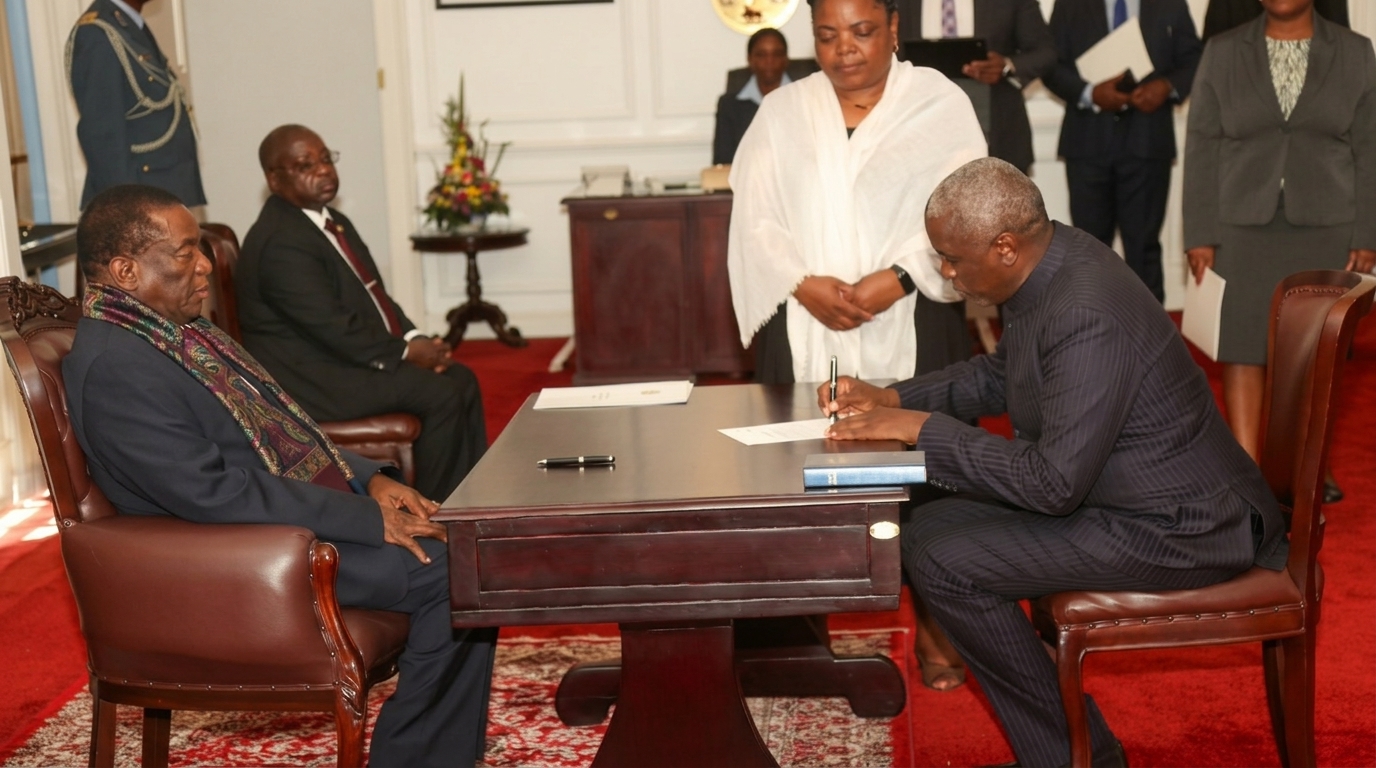
Zimbabwe’s economic development agenda entered a new phase on Monday, 12 October 2026, when President Emmerson Mnangagwa swore in Senator Dr Kudakwashe Regimond Tagwirei as Minister of Economic Development and Investment Promotion at State House in Harare. The ceremony followed the President’s appointment of Tagwirei to the portfolio on 9 October, alongside the reassignment of Professor Mthuli Ncube to the standalone Ministry of Finance.
The reorganisation separates economic development and investment promotion from the Finance Ministry, creating a distinct ministerial portfolio whose mandate places the attraction of capital, the advancement of economic activity and the implementation of national development priorities at the forefront.
For Zimbabwe, the significance of this change will ultimately depend on how effectively the new ministry translates national ambition into commercially viable projects, productive industries and improved economic opportunities for citizens.
From investment interest to investment delivery
Zimbabwe is not starting from a blank slate. The country has substantial mineral resources, agricultural potential, an established industrial base, a strategic position within Southern Africa and opportunities to expand regional trade.
The challenge has been to convert these advantages into a larger and more diversified productive economy.
According to figures reported by the Zimbabwe Investment and Development Agency (ZIDA), the country approved 378 investment licences valued at more than US$3 billion during the first half of 2026. Mining and manufacturing accounted for significant portions of the investment pipeline. These figures reflect approved investment proposals, however, and should not be confused with capital already deployed or projects fully operational.
This distinction is central to the new ministerial assignment.
An investment licence is an important first step, but its economic value becomes tangible when financing is secured, construction begins, equipment is installed, production starts and workers are employed.
The opportunity before Minister Tagwirei is to help strengthen the systems that move projects through these stages. Closer coordination between investment agencies, regulators, local authorities, financial institutions and infrastructure providers could help investors navigate approval processes, resolve implementation bottlenecks and bring viable projects to market more efficiently.
Such an approach would shift the national conversation from the value of investment announced to the value of investment realised.
A mandate aligned with Vision 2030
The appointment comes as Zimbabwe implements the National Development Strategy 2 (NDS 2), covering 2026–2030. The strategy seeks to accelerate progress towards the country’s ambition of becoming a prosperous and empowered upper-middle-income society by 2030. It emphasises economic transformation, infrastructure development, agricultural productivity, innovation, job creation and stronger international economic engagement.
This framework provides a clear context for the new ministry.
Economic development is not simply a matter of attracting more money into the country. It involves directing investment towards activities that expand productive capacity, strengthen domestic supply chains, increase exports and create sustainable employment.
For Minister Tagwirei, alignment between investment promotion and NDS 2 could provide an opportunity to connect national priorities with the commercial interests of domestic and international investors.
The most consequential investments will be those that create enduring economic value: factories that manufacture locally, mines that develop downstream processing capacity, agricultural enterprises that support agro-processing, and infrastructure projects that reduce the cost of doing business.
The task is to ensure that investment serves as a catalyst for broader economic transformation rather than remaining an isolated collection of individual projects.
Industrialisation: unlocking value beyond raw materials
Zimbabwe’s natural resource endowment presents an important opportunity for economic expansion, particularly when extraction is linked to domestic processing and manufacturing.
In mining, this means creating stronger connections between mineral production and downstream industries. In agriculture, it means moving further along the value chain, from primary production towards food processing, packaging, storage and export-ready products.
The potential benefits extend beyond the industries themselves. A growing manufacturing sector can create demand for transport, engineering, maintenance, packaging, financial services and professional expertise.
For smaller enterprises, stronger domestic value chains can create opportunities to supply larger businesses, participate in procurement programmes and expand into new markets.
The ministry can contribute by helping to coordinate investment opportunities across these interconnected sectors, identifying gaps in industrial capacity and supporting the development of projects with credible commercial prospects.
Energy reliability, transport infrastructure, access to finance and predictable regulation will remain critical to this process. Investment promotion is most effective when the environment in which investors operate supports production, competitiveness and long-term planning.
Building investor confidence
Investment decisions are influenced by more than the availability of natural resources or the size of a potential market. Investors also consider policy consistency, currency and financial risks, the predictability of regulations, the enforceability of contracts and the transparency of public institutions.
Zimbabwe’s ability to attract sustained investment will therefore depend on continued efforts to strengthen these fundamentals.
A credible investment-promotion programme must communicate opportunities clearly while providing investors with reliable information, consistent administrative processes and confidence that published rules will be applied fairly.
It must also demonstrate that investment opportunities are accessible to a broad range of legitimate participants, from major international institutions and regional investors to Zimbabwean entrepreneurs and smaller domestic businesses.
For the new minister, building confidence will require engagement across the investment community and close coordination with the institutions responsible for economic policy, regulation and implementation.
This is particularly important as Zimbabwe seeks to deepen regional trade, attract new productive capital and strengthen its position within African and global value chains.
The international investment community will judge progress not only by the announcements made by government, but also by the consistency of policy, the transparency of processes and the results delivered on the ground.
The significance of business leadership in public service
Tagwirei enters the portfolio with a background in business, including interests associated with Sakunda Holdings across sectors such as energy and agriculture. His experience in the commercial environment may offer familiarity with the practical considerations involved in operating businesses, mobilising resources and assessing investment opportunities.
That experience could be relevant to a portfolio concerned with the relationship between policy and enterprise. Understanding the challenges faced by investors can help inform discussions about project financing, infrastructure constraints, regulatory procedures and the conditions required for commercial activity to expand.
However, public office carries responsibilities that differ fundamentally from those of private enterprise. The ministerial role requires decisions to serve the national interest, with public confidence supported by accountability, transparent procedures and the consistent application of the law.
The opportunity is to apply commercial understanding within a framework of public service, ensuring that investment promotion is conducted in a manner that strengthens confidence in Zimbabwe’s institutions and supports fair economic participation.
For a country seeking to expand its investment base, the credibility of the process is as important as the opportunities being promoted.
What could this mean for Zimbabwean businesses?
A more effective investment-promotion framework could have benefits that extend well beyond large corporations.
For small and medium-sized enterprises, new industrial and infrastructure projects can create opportunities to supply goods and services, develop specialist capabilities and establish longer-term commercial relationships.
For farmers, investment in processing, storage, logistics and agricultural technology can help improve market access and reduce losses along the supply chain.
For young people entering the labour market, new productive enterprises can create demand for technical skills, professional services and entrepreneurship.
For established manufacturers, a more predictable business environment can support decisions to expand capacity, upgrade equipment and develop new products.
These outcomes are not automatic. They depend on the quality of investment, the strength of local supply chains, the availability of skills and the ability of businesses to compete. Nevertheless, they provide a practical way of assessing whether investment promotion is delivering benefits beyond headline figures.
The public interest lies in ensuring that economic growth generates opportunities across sectors, provinces and communities.
The priorities that will define the next chapter
As the ministry begins its work, several priorities are likely to be central to its contribution to the national development agenda.
First, converting approved investments into operating projects. Greater attention to implementation milestones, project financing and the removal of administrative bottlenecks could help narrow the gap between investment approvals and realised capital.
Second, strengthening coordination across government. Investors often require decisions and services from several institutions. Better coordination can help reduce uncertainty and improve the experience of doing business.
Third, prioritising productive and export-oriented investment. Projects that expand manufacturing, support mineral beneficiation, strengthen agro-processing and develop competitive services can contribute to diversification and foreign-exchange generation.
Fourth, broadening participation in economic growth. Local suppliers, small businesses, young entrepreneurs and skilled professionals should have opportunities to participate in the commercial activity generated by new investments.
Fifth, strengthening transparency and accountability. Clear investment criteria, predictable regulations and measurable performance indicators can help demonstrate that opportunities are being pursued in the national interest.
Together, these priorities offer a practical framework for translating the ambitions of NDS 2 into measurable economic outcomes.
Measuring success by results
Minister Tagwirei’s appointment creates an opportunity to sharpen the focus on investment delivery and economic development. The scale of that opportunity should not obscure the complexity of the task.
Zimbabwe’s economic prospects will be influenced by domestic policy choices, global market conditions, access to finance, infrastructure capacity and the competitiveness of local industries. No single ministry can resolve all these challenges independently.
The new portfolio can nevertheless play an important coordinating role by bringing investors, government institutions and productive sectors around a common set of national priorities.
Over time, progress should be assessed through evidence: the amount of investment actually deployed, projects completed, productive capacity added, exports generated, businesses supported and sustainable jobs created.
These are the indicators that connect economic policy to the lived experience of Zimbabweans.
A new chapter, with results to deliver
President Mnangagwa’s decision to establish a distinct economic development and investment promotion portfolio places renewed emphasis on the relationship between investment, production and national development.
For Tagwirei, the immediate task is to turn that mandate into a clear programme of action, working with government institutions and the private sector to improve the conditions for productive investment.
The opportunity is significant. Zimbabwe has resources to develop, agricultural potential to unlock, industries to expand and entrepreneurs capable of creating new enterprises. Converting these strengths into sustained prosperity will require sound policy, effective institutions, investor confidence and consistent implementation.
The measure of this new chapter will not be the appointment itself, but what follows: investments realised, industries strengthened, opportunities expanded and economic value created for the nation.
For Zimbabwe, that is the promise against which the work of the Ministry of Economic Development and Investment Promotion will be judged.
Editorial note: This article is based on publicly reported appointment and swearing-in details, published investment-approval figures and Zimbabwe’s NDS 2 development framework. Projections concerning the ministry’s potential impact are analysis, not claims that those outcomes have already been achieved.
The Business Diary – Telling Zimbabwe’s Business Story | “We Mean Business”

SADC Calls for Zimbabwe Sanctions Removal: Economic Impact on Business and Investment
Zimbabwe Takes the COMESA Chair: What It Means for Business in the Region and at Home
COMESA Summit Harare Draws Oversubscribed Business Events
What is Robert Kiyosaki’s net worth after his latest book flop?
Egypt’s Richest Man, Nassef Sawiris’ Wealth Surges by $410M in Just over a Week.
Billionaires Who Didn’t Go to College
Trending
-
Business2 years agoWhat is Robert Kiyosaki’s net worth after his latest book flop?
-
Business2 years agoEgypt’s Richest Man, Nassef Sawiris’ Wealth Surges by $410M in Just over a Week.
-
Business3 years agoBillionaires Who Didn’t Go to College
-
Business3 years agoAfrica’s youngest billionaire: Mo Dewji’s impactful empire extends beyond wealth
-
Business2 years agoMeet World’s Richest Family Who live In $478m House, Own 700 Cars
-
Technology3 years agoLiquid C2 partners with Google Cloud and Anthropic to bring advanced cloud, cyber security and generative AI capabilities to Africa
-
Business3 years agoZimbabwe’s Beverage Industry: A Digital Marketing Analysis of Delta Beverages and Varun Beverages Zimbabwe
-
Business3 years agoMalawian Billionaire Thom Mpinganjira’s Fortune Drops by $8 Million in a Month