
Finance
Beyond the Headlines: What Zimbabwe’s Entry into the BRICS Bank Really Means for Business

Published
3 months agoon
Zimbabwe’s admission into the New Development Bank (NDB), the multilateral lender established by the BRICS nations, marks one of the country’s most significant international financial developments in years. While membership does not immediately unlock billions in funding, it expands Harare’s access to long-term development finance and signals growing international confidence in its economic re-engagement efforts. For businesses, investors and policymakers, the real question is not whether Zimbabwe has joined the BRICS Bank—but how effectively it can turn that membership into economic transformation.
A Seat at a Different Table
For more than two decades, Zimbabwe has struggled to access affordable long-term development finance.
International sanctions, sovereign debt arrears, limited access to traditional multilateral lenders and years of underinvestment have left the country with a substantial infrastructure deficit. Roads require rehabilitation, rail networks need modernisation, electricity generation must expand, and water systems demand significant investment to support both industry and urban growth.
Against that backdrop, Zimbabwe’s formal admission as a borrowing member of the New Development Bank (NDB)—widely known as the BRICS Bank—represents far more than another diplomatic milestone.
It introduces a new source of development finance at a time when the country’s infrastructure ambitions increasingly depend on patient, long-term capital rather than short-term borrowing.
The announcement by Finance, Economic Development and Investment Promotion Minister Professor Mthuli Ncube in July 2026 follows a three-year accession process that began with Zimbabwe’s formal application in 2023. The NDB Board of Governors approved Zimbabwe’s admission on 10 July 2026, making the country one of the bank’s newest borrowing members. Before financing can begin, Zimbabwe must ratify the membership agreement and subscribe to 630 shares valued at US$63 million, comprising US$12.6 million in paid-in capital and US$50.4 million in callable capital.
For Zimbabwe, membership is neither a bailout nor a guarantee of immediate investment. Rather, it is the opening of a financing channel that could reshape how major national infrastructure projects are funded over the coming decade.
That distinction matters.
Development banks do not simply lend money; they finance productive assets expected to generate long-term economic returns. Zimbabwe’s challenge now shifts from securing membership to identifying, preparing and executing projects capable of meeting the bank’s lending standards.
“Joining the New Development Bank is not the destination for Zimbabwe’s economic re-engagement—it is the beginning of a new test of the country’s ability to transform long-term finance into long-term prosperity.”
More Than Just Another Development Bank
Established in 2015 by Brazil, Russia, India, China and South Africa, the New Development Bank was created to provide an alternative source of infrastructure and sustainable development financing for emerging economies.
Unlike institutions such as the International Monetary Fund, whose primary role is macroeconomic stabilisation, or the World Bank, which often combines lending with extensive policy programmes, the NDB focuses on financing infrastructure and development projects that promote long-term economic growth. Its founding mandate is to mobilise resources for transport, energy, water, climate resilience and industrial development across emerging markets.
The institution has authorised capital of US$100 billion and has steadily expanded beyond its original five founding members. Countries including Bangladesh, Egypt, the United Arab Emirates, Algeria, Colombia and Uzbekistan have also joined, reflecting the bank’s growing influence in development finance.
For Zimbabwe, the attraction lies not only in access to capital but also in diversification.
For decades, governments across Africa have relied heavily on financing from the World Bank, African Development Bank and bilateral lenders. Membership of the NDB broadens Zimbabwe’s financing options, reducing dependence on any single institution while creating opportunities to pursue projects aligned with its own development priorities.
Why This Matters for Zimbabwe
Zimbabwe’s economy has demonstrated resilience despite persistent structural challenges.
Research shows GDP growth reached 7.5% in 2025, driven largely by recoveries in agriculture and mining. Mining contributed 14.9% of economic output, manufacturing 14.6%, agriculture 12.2%, while wholesale and retail trade accounted for 11%. At the same time, public debt stood at approximately US$21.5 billion, including US$11.7 billion in external obligations and US$7.7 billion in arrears.
These figures illustrate a central contradiction within Zimbabwe’s economy.
The country possesses abundant mineral resources, productive agricultural land, a skilled workforce and strategic geographic positioning within Southern Africa. Yet many of the assets needed to unlock sustained economic growth—modern railways, reliable electricity, efficient border infrastructure, water systems and digital connectivity—require levels of investment that exceed the capacity of annual government budgets.
This is precisely where multilateral development finance becomes important.
Long-term infrastructure projects often require financing over decades rather than years. Commercial banks are generally reluctant to provide such funding because of the scale, duration and risk involved. Development banks exist to bridge that gap by financing projects capable of generating broad economic benefits beyond immediate financial returns.
For Zimbabwe, membership therefore expands the toolkit available to finance national development.
Beyond the Politics
Public discussion surrounding BRICS frequently focuses on geopolitics.
Questions about shifting global power, de-dollarisation and competition between Western economies and emerging markets often dominate headlines.
While these debates are important, Zimbabwe’s admission to the New Development Bank should first be understood through an economic lens rather than an ideological one.
Businesses are less concerned with geopolitical symbolism than with practical outcomes.
Can manufacturers reduce transport costs?
Will mining companies gain access to improved rail infrastructure?
Can exporters move goods more efficiently?
Will electricity become more reliable?
Can irrigation expand agricultural productivity?
Will cities secure financing for modern water systems?
These are the questions that determine whether development finance translates into economic growth.
Membership alone cannot answer them.
Successful implementation will depend on Zimbabwe’s ability to prepare technically sound, financially viable and environmentally sustainable projects capable of attracting NDB financing. The bank’s lending process requires rigorous project appraisal and does not provide automatic access to funding simply because a country has joined.
That reality tempers expectations while underscoring the importance of institutional capacity within government ministries, state-owned enterprises and implementing agencies.
The Business Diary Analysis
Zimbabwe has secured something more valuable than immediate funding—it has secured optionality.
In development finance, optionality matters.
Countries with multiple financing partners are generally better positioned to negotiate favourable terms, diversify project funding and reduce dependence on any single lender.
The significance of NDB membership therefore extends beyond the loans it may eventually provide.
It signals that Zimbabwe’s re-engagement strategy is opening new international relationships, even as efforts continue to resolve debt arrears with traditional multilateral institutions.
The next phase will determine whether this diplomatic achievement becomes an economic one.
Membership has opened the door.
Project execution will determine what lies beyond it.
Where the Money Could Flow
For Zimbabwe, the value of New Development Bank membership will ultimately be measured not by the membership certificate itself, but by the quality of the projects it finances.
Around the world, development banks are judged by tangible outcomes—new highways, modern railways, reliable power stations, expanded irrigation schemes, upgraded hospitals and digital infrastructure—not by diplomatic announcements. Zimbabwe now has an opportunity to build a pipeline of projects capable of attracting long-term capital and delivering measurable economic returns.
The country’s infrastructure requirements are considerable. Years of underinvestment have created bottlenecks that continue to raise the cost of doing business, reduce industrial competitiveness and constrain economic growth. From electricity shortages and ageing rail networks to inefficient logistics corridors and water supply challenges, infrastructure has become one of Zimbabwe’s most pressing economic issues.
Membership of the NDB creates an opportunity to address some of these constraints, provided projects are technically sound, financially viable and aligned with the bank’s development priorities. The research dossier identifies several sectors where NDB financing could have a transformative impact, including transport, energy, healthcare, agriculture and urban infrastructure.
The challenge for Zimbabwe will not simply be identifying worthy projects. It will be preparing investment-ready proposals supported by feasibility studies, environmental assessments, procurement plans and credible implementation frameworks. Development banks finance preparation as much as ambition.
Energy: Powering Industrial Growth
No economy can industrialise without reliable electricity.
Mining operations require uninterrupted power to process minerals. Manufacturers depend on stable electricity to maintain production. Farmers increasingly rely on irrigation systems powered by electricity, while digital businesses require dependable energy to support data centres and communications networks.
Zimbabwe has made progress in expanding generation capacity, but demand continues to grow alongside economic activity. Climate variability has also exposed the country’s dependence on hydropower, reinforcing the need for a more diversified energy mix.
The research dossier suggests several projects that could potentially align with the NDB’s financing priorities, including further expansion at Hwange Power Station, rehabilitation of Kariba infrastructure and investment in renewable energy projects such as utility-scale solar developments.
These investments would extend beyond electricity generation. Reliable energy reduces operating costs, improves industrial productivity and increases investor confidence. It also supports the growth of value-added industries, enabling Zimbabwe to process more of its minerals and agricultural products domestically rather than exporting raw commodities.
For investors, energy remains one of the most significant enablers of long-term economic growth.
Rebuilding Zimbabwe’s Transport Network
Infrastructure is often described as the backbone of an economy.
In Zimbabwe, railways and highways are more than transport systems; they are commercial arteries connecting mines to ports, farms to markets and manufacturers to regional customers.
Years of declining investment have increased logistics costs across the economy. Businesses frequently rely on road transport where rail would be more efficient, placing additional pressure on highways while increasing freight costs.
Among the projects highlighted in the research dossier are the proposed Ponta Techobanine rail corridor, the Lion’s Den–Kafue railway and continued investment in strategic road corridors linking Zimbabwe to regional markets.
Should these projects secure financing, the economic benefits could extend well beyond transport.
Mining companies could move bulk commodities more efficiently.
Manufacturers could reduce distribution costs.
Exporters could improve delivery times.
Border trade could become more competitive.
Tourism destinations could become more accessible.
Infrastructure investment often generates economic activity long before projects are completed. Construction creates employment, stimulates demand for locally produced materials and supports professional services ranging from engineering to legal advisory work.
Agriculture Beyond Food Security
Agriculture remains one of Zimbabwe’s largest employers and a significant contributor to national output.
Yet climate change has reinforced the need to shift from rain-fed agriculture towards more resilient production systems.
The NDB has increasingly prioritised climate-smart infrastructure and sustainable development projects across its portfolio. For Zimbabwe, this aligns with opportunities to expand irrigation, strengthen water management systems and improve agricultural value chains.
Rather than focusing solely on increasing production, future investment could help farmers improve storage, processing and logistics, reducing post-harvest losses while increasing export competitiveness.
Such investments would support broader industrialisation by strengthening links between agriculture and manufacturing.
Modern Cities Need Modern Infrastructure
Infrastructure is not limited to roads and power stations.
Rapid urbanisation is placing increasing pressure on water supply, sanitation, healthcare facilities and municipal services.
The research dossier identifies potential opportunities for investment in hospitals such as Parirenyatwa and Mpilo, together with water infrastructure and broader urban development initiatives.
These investments carry important economic implications.
Healthy populations are more productive.
Reliable municipal services attract private investment.
Improved healthcare reduces long-term economic costs associated with disease and lost productivity.
Modern cities also play an increasingly important role in attracting international businesses seeking stable operating environments.
What This Means for Zimbabwean Business
For the private sector, NDB membership represents opportunity rather than certainty.
Development finance rarely benefits governments alone. Large infrastructure programmes generate demand across entire value chains.
Banks may find opportunities to participate in co-financing arrangements or provide complementary lending.
Construction firms could compete for major civil engineering contracts.
Manufacturers may benefit from increased demand for cement, steel, cables, piping and industrial equipment.
Engineering consultancies, architects, environmental specialists and legal firms are likely to see increased demand during project preparation and implementation.
The mining industry, already Zimbabwe’s largest contributor to GDP according to the research dossier, could particularly benefit from improved transport and energy infrastructure.
Agricultural producers stand to gain from expanded irrigation and improved logistics.
Exporters could become more competitive if freight costs decline.
Small and medium-sized enterprises may benefit indirectly through subcontracting opportunities and stronger domestic supply chains.
The wider economic impact will depend on how effectively Zimbabwe integrates local businesses into future infrastructure programmes rather than relying predominantly on imported goods and services.
Learning from Other Members
Zimbabwe is not entering unfamiliar territory.
Several newer NDB members have already demonstrated how development finance can support national priorities.
South Africa has secured financing for road infrastructure and public healthcare projects. Egypt has used membership to diversify its sources of development finance while supporting infrastructure and economic reforms. Bangladesh and the United Arab Emirates have leveraged membership to strengthen infrastructure investment and trade-related development.
These examples highlight an important lesson.
Successful countries do not treat development finance as an end in itself.
They use it strategically to unlock productivity, attract private investment and stimulate long-term growth.
Zimbabwe now has the opportunity to follow a similar path.
Whether it succeeds will depend less on the availability of finance than on the quality of planning, governance and execution.
Investor Watch
For investors, Zimbabwe’s admission to the New Development Bank should be viewed as a medium- to long-term structural development rather than a short-term market catalyst.
The immediate economic impact is likely to be limited while membership is ratified and projects are prepared. However, sustained access to long-term infrastructure finance could improve the investment climate over time by addressing some of the structural constraints that have historically limited productivity and competitiveness.
Investors will now be watching closely for Zimbabwe’s first pipeline of NDB-funded projects, the pace of implementation and the government’s ability to translate diplomatic progress into measurable economic outcomes.
The Risks That Cannot Be Ignored
Every major economic opportunity comes with corresponding risks.
Zimbabwe’s admission to the New Development Bank is no exception.
While membership expands the country’s access to development finance, it does not remove longstanding economic challenges. If anything, it raises expectations that Zimbabwe must now demonstrate it can convert financing into productive national assets.
For policymakers, this marks the beginning—not the end—of the journey.
Debt Must Finance Growth, Not Consumption
One of the most important lessons from international development finance is that debt is neither inherently good nor inherently bad.
Its impact depends entirely on how borrowed funds are used.
Zimbabwe’s public debt stood at approximately US$21.5 billion at the end of 2025, including US$11.7 billion in external obligations and US$7.7 billion in arrears.
These figures explain why new borrowing must be approached strategically.
Infrastructure projects financed through the NDB should ideally generate measurable economic returns. A railway that reduces logistics costs, a power station that increases industrial production, or an irrigation scheme that boosts agricultural exports can strengthen the economy’s capacity to repay debt over time.
Conversely, projects that fail to improve productivity risk adding financial obligations without expanding the country’s economic base.
Development economists often distinguish between productive debt and consumptive debt.
The former finances assets that create future income.
The latter finances expenditure without generating lasting economic value.
Zimbabwe’s long-term success within the NDB framework will depend on ensuring that every borrowed dollar supports productive investment.
Governance Will Be the Ultimate Test
Access to finance alone does not guarantee development.
History offers numerous examples of countries that secured billions in infrastructure loans but struggled to deliver projects on time, within budget or to the required standard.
The research dossier notes that the NDB expects rigorous technical, financial, environmental and governance standards before approving projects. It also relies significantly on national procurement systems, subject to assessments of transparency and institutional capacity.
For Zimbabwe, this places renewed emphasis on:
- project preparation
- procurement transparency
- environmental compliance
- financial accountability
- independent oversight
- timely implementation
The credibility gained through membership can only be sustained if projects deliver tangible public value.
The Geopolitical Dimension
Zimbabwe’s admission to the New Development Bank has naturally attracted attention beyond economics.
The NDB was established by the BRICS countries at a time when emerging economies were seeking greater influence within the global financial system. Its expansion reflects broader efforts by many developing nations to diversify sources of development finance and strengthen South-South cooperation.
For Zimbabwe, however, membership should be viewed primarily as an economic decision.
The country continues to engage institutions such as the African Development Bank, the World Bank and the International Monetary Fund as part of its broader re-engagement strategy. The research dossier indicates that NDB membership complements rather than replaces these relationships.
In practical terms, access to multiple development partners gives governments greater flexibility in financing priority infrastructure while reducing reliance on any single source of capital.
For business, that diversity of funding options is often more important than geopolitical symbolism.
The Business Diary Perspective
Zimbabwe’s admission to the New Development Bank is one of the country’s most important economic developments in recent years—not because it guarantees immediate financing, but because it broadens the nation’s strategic options.
Membership represents an endorsement of Zimbabwe’s efforts to reconnect with international development finance after years of constrained access. It also places greater responsibility on policymakers to demonstrate that future borrowing can deliver measurable economic returns.
The opportunity is substantial.
Zimbabwe possesses world-class mineral resources, fertile agricultural land, a strategic location linking Southern Africa to regional trade corridors and one of Africa’s highest literacy rates. Yet unlocking that potential requires modern infrastructure.
Reliable electricity enables factories to operate competitively.
Efficient railways lower export costs.
Modern border posts facilitate regional trade.
Irrigation systems improve food security and agricultural exports.
Digital infrastructure attracts technology investment.
These are the foundations upon which sustainable economic growth is built.
The New Development Bank cannot build Zimbabwe’s economy on its own.
But it can provide access to the long-term capital required to finance the infrastructure that makes growth possible.
Whether this moment becomes a turning point will depend not on the bank itself, but on Zimbabwe’s ability to prepare high-quality projects, strengthen governance and execute investments that generate lasting economic value.
History rarely remembers countries for joining institutions.
It remembers them for what they achieved after joining.
Executive Brief
What happened?
Zimbabwe has been admitted as a borrowing member of the New Development Bank, subject to ratification and capital subscription.
Why does it matter?
It expands Zimbabwe’s access to long-term development finance for infrastructure and sustainable development.
Who stands to benefit?
Potential beneficiaries include the energy, mining, construction, agriculture, transport, manufacturing and financial services sectors, depending on the projects ultimately approved.
What should businesses watch?
The government’s project pipeline, ratification process, capital subscription, procurement frameworks and the announcement of the first NDB-financed projects.
What Happens Next?
Several milestones will determine whether membership translates into tangible economic benefits:
- Parliament must ratify Zimbabwe’s accession agreement.
- Government must complete its capital subscription obligations.
- Line ministries and state agencies will need to prepare bankable infrastructure projects.
- The NDB will evaluate proposed projects against its lending criteria.
- If approved, financing agreements will be negotiated and implementation will begin.
The speed and quality of these steps will determine whether Zimbabwe can convert membership into productive investment.
Key Takeaways
- Zimbabwe’s admission to the New Development Bank expands its access to long-term infrastructure finance but does not guarantee automatic lending.
- Membership complements, rather than replaces, engagement with traditional multilateral institutions.
- The greatest opportunities lie in energy, transport, water, agriculture, digital infrastructure and industrial development.
- Success will depend on governance, project preparation and the ability to deliver infrastructure that improves productivity and competitiveness.
- For investors and businesses, the first pipeline of NDB-financed projects will provide the clearest indication of the membership’s economic impact.

The Business Diary magazine is a comprehensive publication that centers around business and economic development news. It covers a wide range of topics including finance, mining, technology, environment, climate finance, and agriculture. With its focus on providing valuable insights and updates, the magazine caters to readers who are interested in staying informed about the latest developments and trends in the business and economic landscape of Zimbabwe.

You may like
Business
Zimbabwe’s Investment Agenda Enters a New Chapter as Tagwirei Takes Economic Development Portfolio
Published
6 hours agoon
October 12, 2026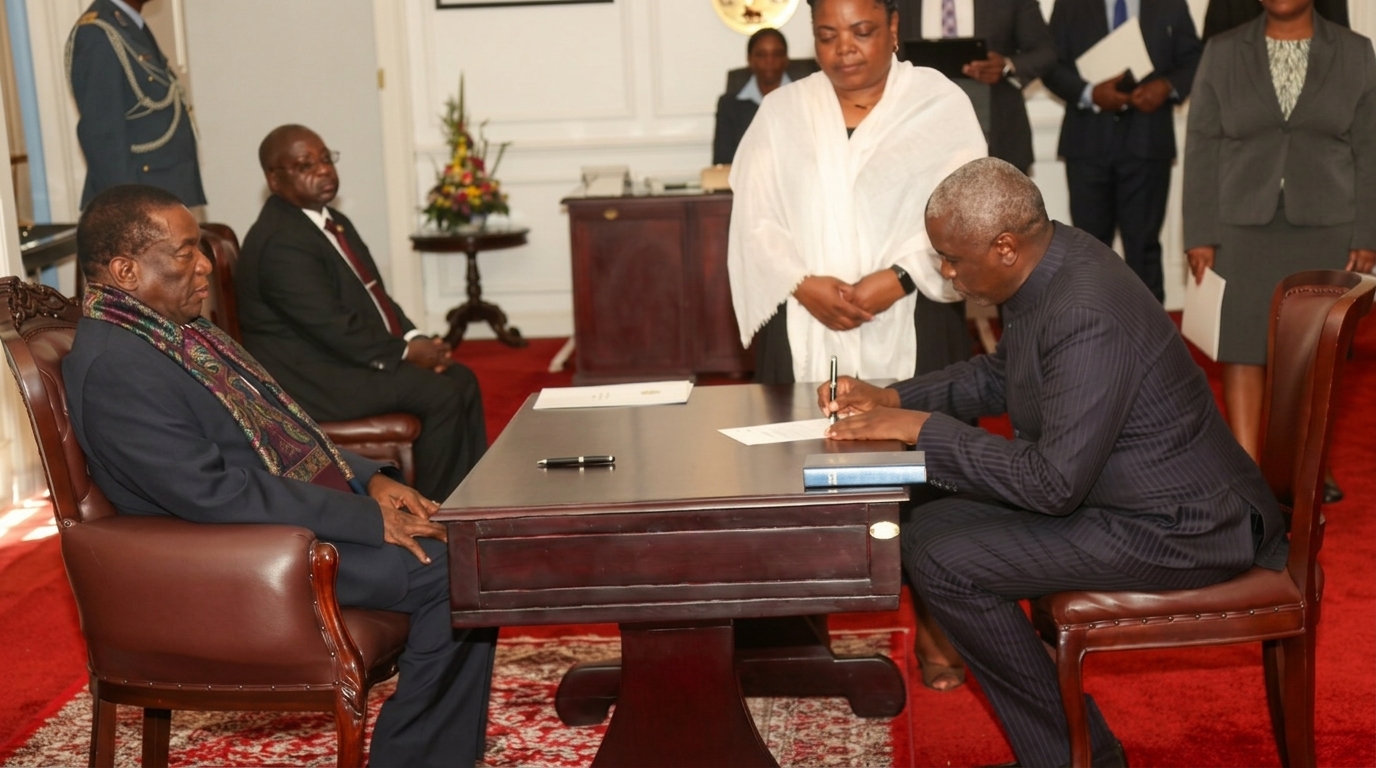
The swearing-in of Kudakwashe Tagwirei as Minister of Economic Development and Investment Promotion places investment mobilisation, industrial expansion and the conversion of economic potential into tangible results at the centre of a newly defined government portfolio.
Zimbabwe’s economic development agenda entered a new phase on Monday, 12 October 2026, when President Emmerson Mnangagwa swore in Senator Dr Kudakwashe Regimond Tagwirei as Minister of Economic Development and Investment Promotion at State House in Harare. The ceremony followed the President’s appointment of Tagwirei to the portfolio on 9 October, alongside the reassignment of Professor Mthuli Ncube to the standalone Ministry of Finance.
The reorganisation separates economic development and investment promotion from the Finance Ministry, creating a distinct ministerial portfolio whose mandate places the attraction of capital, the advancement of economic activity and the implementation of national development priorities at the forefront.
For Zimbabwe, the significance of this change will ultimately depend on how effectively the new ministry translates national ambition into commercially viable projects, productive industries and improved economic opportunities for citizens.
From investment interest to investment delivery
Zimbabwe is not starting from a blank slate. The country has substantial mineral resources, agricultural potential, an established industrial base, a strategic position within Southern Africa and opportunities to expand regional trade.
The challenge has been to convert these advantages into a larger and more diversified productive economy.
According to figures reported by the Zimbabwe Investment and Development Agency (ZIDA), the country approved 378 investment licences valued at more than US$3 billion during the first half of 2026. Mining and manufacturing accounted for significant portions of the investment pipeline. These figures reflect approved investment proposals, however, and should not be confused with capital already deployed or projects fully operational.
This distinction is central to the new ministerial assignment.
An investment licence is an important first step, but its economic value becomes tangible when financing is secured, construction begins, equipment is installed, production starts and workers are employed.
The opportunity before Minister Tagwirei is to help strengthen the systems that move projects through these stages. Closer coordination between investment agencies, regulators, local authorities, financial institutions and infrastructure providers could help investors navigate approval processes, resolve implementation bottlenecks and bring viable projects to market more efficiently.
Such an approach would shift the national conversation from the value of investment announced to the value of investment realised.
A mandate aligned with Vision 2030
The appointment comes as Zimbabwe implements the National Development Strategy 2 (NDS 2), covering 2026–2030. The strategy seeks to accelerate progress towards the country’s ambition of becoming a prosperous and empowered upper-middle-income society by 2030. It emphasises economic transformation, infrastructure development, agricultural productivity, innovation, job creation and stronger international economic engagement.
This framework provides a clear context for the new ministry.
Economic development is not simply a matter of attracting more money into the country. It involves directing investment towards activities that expand productive capacity, strengthen domestic supply chains, increase exports and create sustainable employment.
For Minister Tagwirei, alignment between investment promotion and NDS 2 could provide an opportunity to connect national priorities with the commercial interests of domestic and international investors.
The most consequential investments will be those that create enduring economic value: factories that manufacture locally, mines that develop downstream processing capacity, agricultural enterprises that support agro-processing, and infrastructure projects that reduce the cost of doing business.
The task is to ensure that investment serves as a catalyst for broader economic transformation rather than remaining an isolated collection of individual projects.
Industrialisation: unlocking value beyond raw materials
Zimbabwe’s natural resource endowment presents an important opportunity for economic expansion, particularly when extraction is linked to domestic processing and manufacturing.
In mining, this means creating stronger connections between mineral production and downstream industries. In agriculture, it means moving further along the value chain, from primary production towards food processing, packaging, storage and export-ready products.
The potential benefits extend beyond the industries themselves. A growing manufacturing sector can create demand for transport, engineering, maintenance, packaging, financial services and professional expertise.
For smaller enterprises, stronger domestic value chains can create opportunities to supply larger businesses, participate in procurement programmes and expand into new markets.
The ministry can contribute by helping to coordinate investment opportunities across these interconnected sectors, identifying gaps in industrial capacity and supporting the development of projects with credible commercial prospects.
Energy reliability, transport infrastructure, access to finance and predictable regulation will remain critical to this process. Investment promotion is most effective when the environment in which investors operate supports production, competitiveness and long-term planning.
Building investor confidence
Investment decisions are influenced by more than the availability of natural resources or the size of a potential market. Investors also consider policy consistency, currency and financial risks, the predictability of regulations, the enforceability of contracts and the transparency of public institutions.
Zimbabwe’s ability to attract sustained investment will therefore depend on continued efforts to strengthen these fundamentals.
A credible investment-promotion programme must communicate opportunities clearly while providing investors with reliable information, consistent administrative processes and confidence that published rules will be applied fairly.
It must also demonstrate that investment opportunities are accessible to a broad range of legitimate participants, from major international institutions and regional investors to Zimbabwean entrepreneurs and smaller domestic businesses.
For the new minister, building confidence will require engagement across the investment community and close coordination with the institutions responsible for economic policy, regulation and implementation.
This is particularly important as Zimbabwe seeks to deepen regional trade, attract new productive capital and strengthen its position within African and global value chains.
The international investment community will judge progress not only by the announcements made by government, but also by the consistency of policy, the transparency of processes and the results delivered on the ground.
The significance of business leadership in public service
Tagwirei enters the portfolio with a background in business, including interests associated with Sakunda Holdings across sectors such as energy and agriculture. His experience in the commercial environment may offer familiarity with the practical considerations involved in operating businesses, mobilising resources and assessing investment opportunities.
That experience could be relevant to a portfolio concerned with the relationship between policy and enterprise. Understanding the challenges faced by investors can help inform discussions about project financing, infrastructure constraints, regulatory procedures and the conditions required for commercial activity to expand.
However, public office carries responsibilities that differ fundamentally from those of private enterprise. The ministerial role requires decisions to serve the national interest, with public confidence supported by accountability, transparent procedures and the consistent application of the law.
The opportunity is to apply commercial understanding within a framework of public service, ensuring that investment promotion is conducted in a manner that strengthens confidence in Zimbabwe’s institutions and supports fair economic participation.
For a country seeking to expand its investment base, the credibility of the process is as important as the opportunities being promoted.
What could this mean for Zimbabwean businesses?
A more effective investment-promotion framework could have benefits that extend well beyond large corporations.
For small and medium-sized enterprises, new industrial and infrastructure projects can create opportunities to supply goods and services, develop specialist capabilities and establish longer-term commercial relationships.
For farmers, investment in processing, storage, logistics and agricultural technology can help improve market access and reduce losses along the supply chain.
For young people entering the labour market, new productive enterprises can create demand for technical skills, professional services and entrepreneurship.
For established manufacturers, a more predictable business environment can support decisions to expand capacity, upgrade equipment and develop new products.
These outcomes are not automatic. They depend on the quality of investment, the strength of local supply chains, the availability of skills and the ability of businesses to compete. Nevertheless, they provide a practical way of assessing whether investment promotion is delivering benefits beyond headline figures.
The public interest lies in ensuring that economic growth generates opportunities across sectors, provinces and communities.
The priorities that will define the next chapter
As the ministry begins its work, several priorities are likely to be central to its contribution to the national development agenda.
First, converting approved investments into operating projects. Greater attention to implementation milestones, project financing and the removal of administrative bottlenecks could help narrow the gap between investment approvals and realised capital.
Second, strengthening coordination across government. Investors often require decisions and services from several institutions. Better coordination can help reduce uncertainty and improve the experience of doing business.
Third, prioritising productive and export-oriented investment. Projects that expand manufacturing, support mineral beneficiation, strengthen agro-processing and develop competitive services can contribute to diversification and foreign-exchange generation.
Fourth, broadening participation in economic growth. Local suppliers, small businesses, young entrepreneurs and skilled professionals should have opportunities to participate in the commercial activity generated by new investments.
Fifth, strengthening transparency and accountability. Clear investment criteria, predictable regulations and measurable performance indicators can help demonstrate that opportunities are being pursued in the national interest.
Together, these priorities offer a practical framework for translating the ambitions of NDS 2 into measurable economic outcomes.
Measuring success by results
Minister Tagwirei’s appointment creates an opportunity to sharpen the focus on investment delivery and economic development. The scale of that opportunity should not obscure the complexity of the task.
Zimbabwe’s economic prospects will be influenced by domestic policy choices, global market conditions, access to finance, infrastructure capacity and the competitiveness of local industries. No single ministry can resolve all these challenges independently.
The new portfolio can nevertheless play an important coordinating role by bringing investors, government institutions and productive sectors around a common set of national priorities.
Over time, progress should be assessed through evidence: the amount of investment actually deployed, projects completed, productive capacity added, exports generated, businesses supported and sustainable jobs created.
These are the indicators that connect economic policy to the lived experience of Zimbabweans.
A new chapter, with results to deliver
President Mnangagwa’s decision to establish a distinct economic development and investment promotion portfolio places renewed emphasis on the relationship between investment, production and national development.
For Tagwirei, the immediate task is to turn that mandate into a clear programme of action, working with government institutions and the private sector to improve the conditions for productive investment.
The opportunity is significant. Zimbabwe has resources to develop, agricultural potential to unlock, industries to expand and entrepreneurs capable of creating new enterprises. Converting these strengths into sustained prosperity will require sound policy, effective institutions, investor confidence and consistent implementation.
The measure of this new chapter will not be the appointment itself, but what follows: investments realised, industries strengthened, opportunities expanded and economic value created for the nation.
For Zimbabwe, that is the promise against which the work of the Ministry of Economic Development and Investment Promotion will be judged.
Editorial note: This article is based on publicly reported appointment and swearing-in details, published investment-approval figures and Zimbabwe’s NDS 2 development framework. Projections concerning the ministry’s potential impact are analysis, not claims that those outcomes have already been achieved.
The Business Diary – Telling Zimbabwe’s Business Story | “We Mean Business”
Business
ZSE and NVCCZ Forge Strategic Partnership to Build Venture-Backed SME Pipeline for ZEEX
Published
4 months agoon
June 26, 2026
Harare, Zimbabwe – June 2026 – In a significant development for Zimbabwe’s entrepreneurial and capital markets ecosystem, the Zimbabwe Stock Exchange (ZSE) and the National Venture Capital Company of Zimbabwe (NVCCZ) have signed a Memorandum of Understanding (MOU) aimed at creating a structured pathway for startups and small-to-medium enterprises (SMEs) to access capital markets through the Zimbabwe Entrepreneurship Exchange (ZEEX).
The partnership marks a major step toward bridging the gap between venture capital financing and public market participation, providing entrepreneurs with a clear roadmap from startup funding to long-term growth and investment opportunities.
Creating a Growth Journey for Zimbabwean Enterprises
Historically, venture capital funding and capital markets have operated independently, leaving many promising businesses without a clear route to scale beyond their initial funding stages. Through this partnership, ZSE and NVCCZ seek to change that by establishing a continuum of support that combines financing, governance, compliance readiness, and market access.
The collaboration will focus on identifying high-potential startups and SMEs already supported by NVCCZ and preparing them for eventual participation on ZEEX, Zimbabwe’s newly approved digital capital market platform.
Key Areas of Collaboration
1. Pipeline Development
The two institutions will jointly identify venture-backed businesses with strong growth potential and develop structured graduation pathways that guide them from early-stage financing to public capital market participation. Clear eligibility standards and quality benchmarks will be established to support this transition.
2. Co-Financing and Blended Finance
The partnership will explore innovative financing models that combine venture capital and public market funding. This includes co-investment opportunities and blended finance mechanisms that leverage both public and private sector capital to accelerate business growth.
3. Capacity Building
Recognising that access to capital alone is not enough, the partners will offer training programmes focusing on corporate governance, financial reporting, investor readiness, and compliance with ZEEX listing requirements. Selected enterprises will also receive advisory support to strengthen their readiness for market participation.
4. Market Development
Joint awareness campaigns, investor roadshows, SME financing conferences, and sector-specific financing platforms will be developed to deepen understanding of capital market opportunities among entrepreneurs and investors alike.
5. Product Innovation
The agreement also opens the door for the development of innovative financial products tailored to growth-stage businesses, including SME bond programmes, sustainability-linked instruments, structured SME funds, and alternative digital listing platforms.
Strengthening Zimbabwe’s Entrepreneurial Ecosystem
Speaking on the partnership, ZSE Holdings Group CEO Justin Bgoni highlighted the importance of creating a structured connection between venture capital and public markets.
He noted that entrepreneurs receiving venture capital support can now see a credible pathway toward public market participation from the outset, providing greater certainty and long-term planning opportunities.
NVCCZ Chief Executive Officer Tinotenda Kambasha described the partnership as a milestone for Zimbabwe’s innovation ecosystem, emphasizing that successful venture investing requires support throughout the entire growth journey of a business.
According to Kambasha, the collaboration will provide venture-backed enterprises with strategic exit opportunities while promoting investor participation, improving liquidity, and enabling the recycling of capital into future generations of innovative Zimbabwean businesses.
What This Means for Zimbabwe
The partnership arrives at a critical time when Zimbabwe is seeking new ways to stimulate entrepreneurship, attract investment, create employment, and accelerate economic growth.
By connecting startups, SMEs, investors, venture capital providers, and the capital markets through ZEEX, the initiative is expected to strengthen financial inclusion, support business formalisation, and create sustainable pathways for enterprise growth.
As ZEEX moves closer to full operationalisation, the growing number of institutional partnerships being secured by ZSE demonstrates increasing confidence in the platform’s potential to transform how Zimbabwean businesses raise capital and how investors participate in the country’s economic development.
For entrepreneurs and investors alike, the ZSE-NVCCZ partnership represents an important step toward building a more vibrant, innovative, and investment-ready Zimbabwean economy.
Business
Zimbabwe’s Economic Diplomacy on the Global Stage: Minister Ncube’s Abidjan Engagement

Published
6 months agoon
April 3, 2026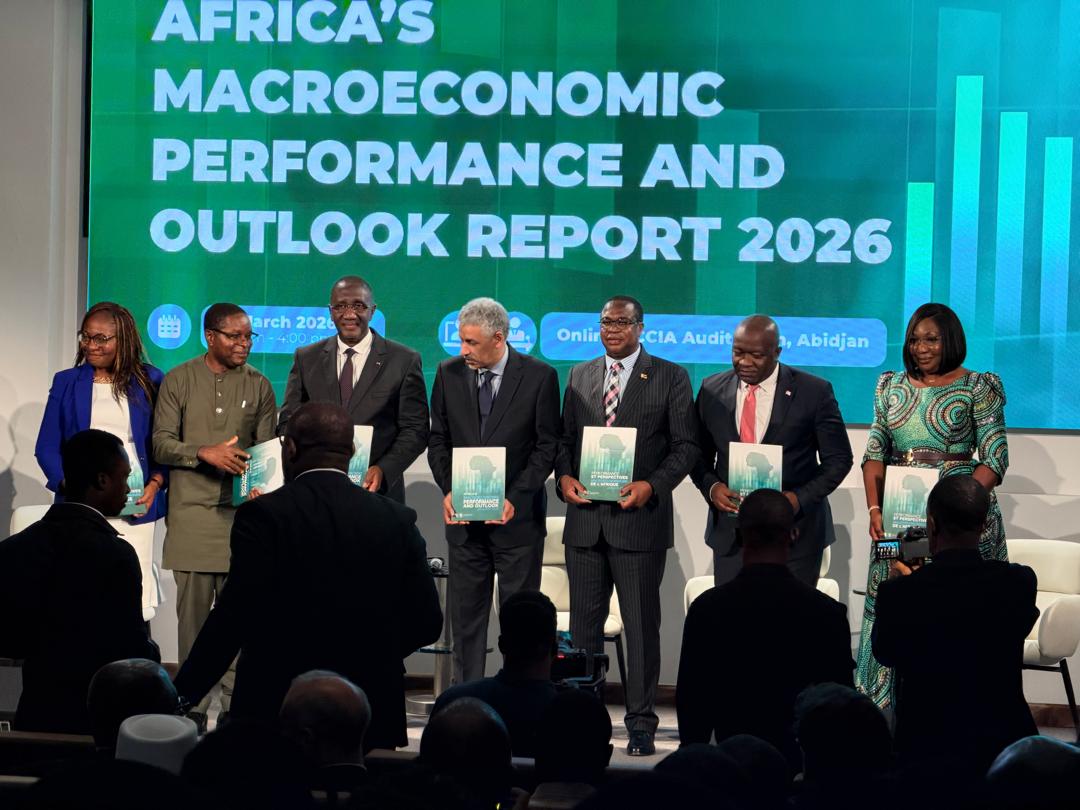
ABIDJAN-In a significant stride for Zimbabwe’s economic revitalization, Hon. Prof. Mthuli Ncube, Minister of Finance, Economic Development, and Investment Promotion, led a high-level delegation to Abidjan on 30 March 2026. The delegation’s primary objective was to engage with Dr. Sidi Ould Tah, President of the African Development Bank (AfDB), to galvanize support for Zimbabwe’s Arrears Clearance and Debt Resolution (AC & DR) Process. This strategic move underscores Zimbabwe’s commitment to re-engaging with international financial institutions and bolstering its economic recovery trajectory.
The visit provided a platform for Minister Ncube to participate in the Strategic Ministerial Dialogue on Debt Sustainability and Financing Africa’s Development Priorities. The dialogue emphasized the imperative of strengthening domestic resource mobilization through digitalization, enhancing public financial management systems, and promoting transparency and accountability in debt reporting. These measures are critical for Zimbabwe as it seeks to optimize its resource utilization and attract sustainable investments.
A key takeaway from the dialogue was the call for prudent debt management, innovative financing instruments, and stronger partnerships to mitigate rising debt vulnerabilities while safeguarding critical development spending. Minister Ncube’s participation in this dialogue highlights Zimbabwe’s proactive approach to addressing its debt challenges and fostering sustainable economic growth.
On the sidelines of the Abidjan engagements, Minister Ncube attended the launch of the Africa’s Macroeconomic Performance and Outlook 2026 Report as a panellist. The report painted a promising picture of Africa’s economic resilience, with a real GDP growth of 4.2% in 2025, surpassing the global average of 3.1%. Growth is projected at 4.3% in 2026 and 4.5% in 2027, with GDP per capita growth standing at 1.9%.
The report’s findings underscore Africa’s potential as a growth hub, notwithstanding risks from debt pressures and external shocks. It recommended coordinated policy action, structural reforms, and targeted investments in job creation, social protection, and human capital development to ensure inclusive and sustainable growth across the continent.
Minister Ncube’s engagement in Abidjan is a testament to Zimbabwe’s commitment to leveraging international partnerships and expertise to drive its economic agenda. The country’s participation in high-level dialogues and strategic engagements is crucial for attracting investments, clearing debt arrears, and fast-tracking economic recovery.
The outcomes of the Abidjan engagements are expected to inform Zimbabwe’s policy direction, particularly in areas of debt management, investment promotion, and economic diversification. As Zimbabwe charts its path towards sustainable development.
In conclusion, Minister Ncube’s Abidjan visit underscores Zimbabwe’s resolve to engage proactively with international financial institutions and development partners. By prioritizing debt sustainability, economic resilience, and inclusive growth, Zimbabwe is positioning itself for a brighter economic future.


Zimbabwe’s Investment Agenda Enters a New Chapter as Tagwirei Takes Economic Development Portfolio
Beyond the Headlines: What Zimbabwe’s Entry into the BRICS Bank Really Means for Business

ZSE and NVCCZ Forge Strategic Partnership to Build Venture-Backed SME Pipeline for ZEEX

What is Robert Kiyosaki’s net worth after his latest book flop?

Egypt’s Richest Man, Nassef Sawiris’ Wealth Surges by $410M in Just over a Week.

Billionaires Who Didn’t Go to College
Trending
-
 Business2 years ago
What is Robert Kiyosaki’s net worth after his latest book flop?
-
Business2 years ago
Egypt’s Richest Man, Nassef Sawiris’ Wealth Surges by $410M in Just over a Week.
-
Business2 years ago
Billionaires Who Didn’t Go to College
-
Business3 years ago
Africa’s youngest billionaire: Mo Dewji’s impactful empire extends beyond wealth
-
Business2 years ago
Meet World’s Richest Family Who live In $478m House, Own 700 Cars
-
Technology3 years ago
Liquid C2 partners with Google Cloud and Anthropic to bring advanced cloud, cyber security and generative AI capabilities to Africa
-
Business3 years ago
Zimbabwe’s Beverage Industry: A Digital Marketing Analysis of Delta Beverages and Varun Beverages Zimbabwe
-
Business3 years ago
Malawian Billionaire Thom Mpinganjira’s Fortune Drops by $8 Million in a Month