Marketing
Sanganai/Hlanganani Expo: Devolving Tourism, Rebalancing Growth in Zimbabwe’s Provinces




Marketing
“Brands that build up their identity will be the winners”: Why branding should be at the centre of your marketing strategy in 2024

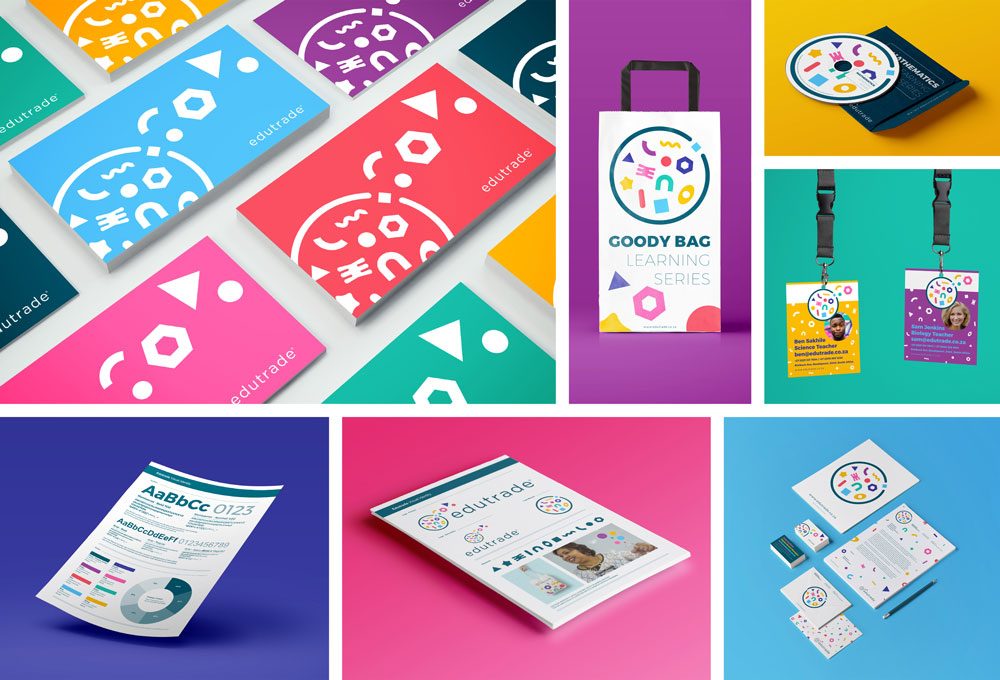
In an era dominated by the likes of social media, consumers are constantly surrounded by new brands. With more options than ever before to choose from online, the competition to perform well has become harder for small businesses (which are competing with big brands with the bucks to spend on the best logos). Business branding will play an important role in industry success in 2024.
Your visual identity can boost your revenue.
In 2024, branding should be at the centre of your marketing strategy, as it can increase revenue by 23% alone. Not only does a consistent branding strategy encourage recognisability in an omnichannel landscape, but it also fosters trust, loyalty and connection between brand and consumer.
“A business’ branding is more important than you might think. On the outside, your brand may seem like it consists only of elements such as logos and colours, but your brand is actually the entire identity of your business,” says Kristopher Jones, CEO of LSEO. Your brand gives you personality.”
For businesses looking to boost their chances of success in 2024, branding is the place to begin. Stick with us as we jump into the meaning of branding and reveal why it plays a crucial role in your marketing strategy.
What is branding?
Your brand is your business’s customer-facing identity. Branding defines how your target audience perceives you and tells your buyers what they can expect from your business.
As defined by the American Marketing Association: “A brand is a name, term, design, symbol, or any other feature that identifies one seller’s good or service as distinct from those of other sellers.
Your branding strategy is your unique selling point. Your logo, slogan or content design should become a recognisable element that your demographic associates with your brand and your brand only.
Take Coca-Cola, for example. With one of the most recognisable logos around the world and it’s classic red colour, the brand is easily spotted and associated with globally. The same goes for Nike’s ‘Just Do It’ slogan. While it does not contain the name Nike, it would be recognised on a billboard as an association with the sportswear brand.
Improving your brand awareness strategy comes with a number of benefits:
- Credibility: Brands with the best logos, slogans, messages and values are automatically perceived as more credible. If a consumer recognises your brand cross-channel, they are more likely to engage with it.
- Exposure: The better your branding strategy, the more likely you are to see engagement on multiple platforms. Popular brands are more likely to be shared and linked online. For businesses hoping to improve their backlinking strategy, prioritising branding is a must, as more competitors are likely to link out to key industry players who are recognised across a range of channels.
- Loyalty: Businesses that take their branding seriously are able to craft messages that keep their consumers coming back. Branding humanises your business, in turn fostering connections with customers that stick.
- Growth: Iconic brands find it much easier to grow and expand as an umbrella company. If your consumers recognise your key branding, they are likely to trust new umbrella companies and products on the back of your brand’s success.
Why focus on branding in 2024?
With the benefits in mind, let’s have a closer look at why your branding strategy could improve your overall success in 2024.
01. You’ll stand out from competitors
A strong brand identity instantly makes your business more recognisable to your target consumers. In a competitive online landscape, brands that have distinguishable features, such as a recognisable logo or viral message, are most likely to outperform competitors on social channels.
“One of the most obvious reasons that businesses need branding is to help them get recognised more often,” claims Jones. “A business with elements such as a distinct logo, attractive colours and other visual elements will be much more memorable. Someone might see your brand for only a moment, but if it sticks out in a positive way, there’s a good chance they won’t forget it, even if this person isn’t ready to use your products or services just yet.”
In fact, over half of all brand first impressions are visual in 2024. Therefore, a strong focus on your logo design and brand colours is essential when renovating your brand strategy.
Take Coca-Cola as a base point. Their iconic red and white logo has existed for years and still remains one of the most recognisable designs on the market.
Coca-Cola’s use of consistency within its design strategy has made it one of the most recognisable brands on the planet. While this is hard to replicate, it’s important to take a look at your own niche market and identify the brands that are most recognisable. Look at their colours, design and messaging and create a unique indeed that could rival their exposure.
02. You’ll gain credibility
Did you know that 4 out of 5 consumers will only buy products from brands they trust?
If your branding strategy is strong, you’re likely to be more recognisable cross-platform and will hold more authority within your niche market. Brands that lead industry conversations are perceived as experts within their field, which evokes a sense of trust amongst their target consumers.
If you prioritise consistency, unique content and a strong identity, you enhance your credibility as a business and gain a competitive edge within your marketplace.
However, as more brands fight for the limelight, it is becoming harder to gain consumer trust from messaging alone.
“Consumers have become more sceptical of brand messages. They understand that marketing departments may not always be honest about products and services. That is why social proof and user-generated content have become so important in the digital age,” says Jessica Wong, CEO of PR firms Valux Digital and uPro Digital.
As we step into 2024, social proof and UGC have become key branding strategies businesses are adopting to improve credibility.
ASOS is a great example of a brand that does this well, with their #AsSeenOnMe campaign. Rather than relying on their own content production, they have launched a section on their website dedicated to consumers wearing and posting about the clothes they have purchased on their website.
This has not only helped boost credibility for the brand but is essentially also free advertising, bosting consumer trust without the cost of campaigning.
03. You’ll connect with clientele
Branding is not limited to visual identity. The messages you deliver as a brand should aim to speak to consumers on a human level. Essentially, branding humanises your business. You’re able to communicate your mission and messages through the use of colour, content and campaigning for a shot at evoking human emotion and connection that consumers will associate with your products/services.
“Fundamentally, branding is a profound manifestation of the human condition; belonging to a tribe, to a religion, to a family. Branding demonstrates that sense of belonging,” says Wally Olins, CEO of Design Thinker.
Consumers in 2024 are more conscious of what they purchase online. In fact, a whopping 82% of online shoppers will only buy from brands with a greater mission or purpose.
This means that your brand messaging should convey your values to your target consumers. For example, if you believe in sustainable manufacturing, make sure you’re conveying that within your content and campaigns.
Take Patagonia, for example. The sustainable clothing brand released this clever green content campaign to deliver messages of sustainability to their shoppers.
“In many ways, you can appeal to people’s emotions through branding and make them feel more connected to your company,” comments Jones. “Branding allows you to build relationships with your audience, which can eventually turn them into loyal customers. You can create a brand that people actually care about and put yourself ahead of businesses that aren’t using this to their advantage.”
A community-driven branding strategy is quite possibly the most important tactic you can adopt as a business. Fostering loyal consumers will keep your conversions flowing and just half the cost of new acquisition.
Peloton does this brilliantly with their at-home cycling community. Instead of simply selling peloton bikes, the business has created a community of at-home fitness fanatics by introducing hashtag-powered social campaigns, opening conversation groups on-site and hosting digital classes that bring people together.
The brand aims to welcome each consumer into a community rather than simply sell a product by encouraging them to share their experiences with the bike online.
Their “Connected Fitness Subscribers” programme alone has earned them a 95% retention rate as a sporting brand.
Embracing a strong brand strategy in 2024
Branding should dominate your marketing strategy in 2024. There has never been a better time to make your business more recognisable in a sea of competitors. While your products and services could be brilliant, your branding is the tactic that drives exposure and engagement.
Brands that want to gain a competitive edge must prioritise their messaging tactics and aim to tap into a community spirit in 2024. Consumers online are fussier than ever before, so embracing new ways to get them on the side is essential.
Brands that build up their identity will be the winners In the competition for consumer engagement in 2024, especially as the ecommerce sector continues to explode.


Mining, Community and the New CSR Compact in Zimbabwe’s Gold Sector: Better Brands at Penhalonga

The Green Diamond Reimagined: Why Macadamia Value Addition Could Redefine Zimbabwe’s Horticulture Exports

Broadening the Base : Why Zimbabwe’s SME Strategy Could Define Fiscal Sustainability

Billionaires Who Didn’t Go to College

What is Robert Kiyosaki’s net worth after his latest book flop?

7 Small Business Tips for effective business
-
 Business2 years ago
Billionaires Who Didn’t Go to College
-
Business2 years ago
What is Robert Kiyosaki’s net worth after his latest book flop?
-
Business4 years ago
7 Small Business Tips for effective business
-
Technology2 years ago
Liquid C2 partners with Google Cloud and Anthropic to bring advanced cloud, cyber security and generative AI capabilities to Africa
-
Business2 years ago
Zimbabwe’s Beverage Industry: A Digital Marketing Analysis of Delta Beverages and Varun Beverages Zimbabwe
-
Business2 years ago
Africa’s First Black Billionaire Patrice Motsepe Faces a $100 Million Setback
-
Business2 years ago
Egypt’s Richest Man Nassef Sawiris Sees a $220 Million Dip in Wealth in 2024
-
Business2 years ago
Egypt’s Richest Man, Nassef Sawiris’ Wealth Surges by $410M in Just over a Week.