Connect with us

Business

Tongaat investors jet into Zimbabwe for talks

Published

on

VISION Consortium (Vision)’s representatives are due for “crucial talks” in Zimbabwe this week, as the trans-Limpopo group seeks to tie up loose ends in its bid to acquire Tongaat Hullet (Tongaat).

While Finance minister Mthuli Ncube, Remoggo Investments (Remoggo) owner Rutenhuro Moyo and Mutapa Investment Fund (MIF) chair Chipo Mtasa would not readily comment on views that the Zimbabwean sovereign wealth fund SWF) was due to stake a claim in the deal, sources have told The Financial Gazette that the “investors were due for key stakeholder engagements, including regulators on Thursday and Friday”.

And at the back of Mtasa’s disclosures that they “were still working on several issues”, the government insiders have, however, insisted that the “Harare administration was expected to make a comprehensive statement on the transaction soon”.
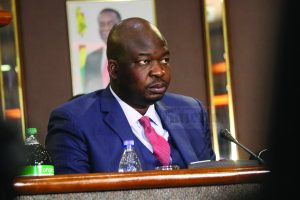
Finance ministry secretary George Guvamatanga

Finance ministry secretary George Guvamatanga


As it is, the success of Moyo and his Vision alliance – comprising South African billionaire Robert Gumede’s – bid was not only attributable to their US$250 million offer to Tongaat’s lender group, but comes in the context of MIF’s known interest as well.

About mid-last year, it emerged that Mtasa’s newly-created behemoth, which falls under the Finance ministry, had dangled a US$95 million carrot for the company’s local assets.

“SWF is interested in acquiring 100 percent of… Triangle Limited and 50,3 percent of… Hippo Valley Estates (Hippo Valley)… held by Tongaat Hulett,” Treasury secretary George Guvamatanga said in a February 2023 letter.

“When the fund made its offer… it was drawing on… the fact of aged plant, equipment and… the need for new, higher-yielding (sugarcane) varieties,” he said.

Nonetheless, Vision’s selection as the preferred bidder has not only added intrigue to the long-drawn acquisition process following the wealthy Rudland family’s failure to buy the firm, but Moyo – an OK Zimbabwe, and National Trye Service major shareholder’s – emergence as a co-bidder has added an interesting twist.

The twists and turns also included Vision’s successes in fending off, if not outwitting, other suitors, including Tanzania’s Kagera and RGS Group Holdings of Mozambique.

With the consortium set to acquire 97,3 percent of the regional company – with assets in Zimbabwe, Botswana, Mozambique and South Africa (SA) – many are envious of Moyo’s grouping “for picking up an asset that can easily pay off its Rand 8 billion debt mountain within the next 10 years by flogging non-core assets and having to access to vast tracts of land across southern Africa.”

In Zimbabwe, for instance, Tongaat  has a potential to produce nearly 700 000 tonnes of raw sugar,  80 million litres of ethanol – for the alcohol and chemical industries – has always been a ‘net exporter of power’ from its Lowveld operations, owns a large herd of cattle estimated at  20 000-plus and access to nearly 45 000 hectares of land.

And it is the capability to co-underwrite such a massive transaction, which some say is being backed by ABSA and Investec of SA, that has brought Moyo under sharper focus and his shrewd dealmaking in general. At some point, he even made a bid for Schweppes Zimbabwe.

A solid and proven businessman, the 58-year-old serial entrepreneur was recently thrown into the limelight after his US$420 000 investment into fintech start-up Jamboo, which aims to tap into Africa’s burgeoning diaspora remittances market.

Remoggo Investments (Remoggo) owner Rutenhuro Moyo

Remoggo Investments (Remoggo) owner Rutenhuro Moyo


On the other hand, Moyo has a rich resume, which includes successful stints at global companies such as Anglo American, Old Mutual, The Coca-Cola Company and Cyril Ramaphosa’s Shanduka Group.

And it is at the latter that he created, and headed the South African president’s fast-moving consumer group’s unit, which manufactured and distributed Coca-Cola products and owned the McDonalds franchise there.

Moyo, who sits on the Hippo and FBC Holdings boards, also owns FedEx through Supa Swift and the Tsebo Catering franchise in the country, which serves as the exclusive food supplier to Zimbabwe Platinum’s Ngezi mines, and Royal Golf Club, among other key establishments.

And with his acquisition of a Tongaat stake through his Mauritian-registered outfit, the reclusive tycoon is also likely to emerge as one of the “single largest customers, and beneficiaries of two of the country’s biggest dams” – Tugwi Mukosi and Osborne in Manicaland – as well as cementing his place as a major investor in a sector that is Zimbabwe’s second largest employer after government.

Against the background of Tongaat’s battles with South African unions over profit share and contract farming – a set of issues almost similar to what Guvamatanga raised in one of his July letters – and Moyo’s own “sparring” with the Harare administration over his retail operations, it remains to be seen how Moyo’s “foreseen cooperation” with the same authorities, and specifically MIF, will pan out.

As the company is reportedly targeting for 50 000 hectares of land – probably to make up for the portion taken by Billy Rautenbach’s Nuanetsi game project – these are not only some of the issues that the Treasury secretary was alluding to by referring to “water, and land rights”, but what the Remoggo chair has to navigate in his quest for the insolvent sugar producer!

Source: Fingaz

The Business Diary magazine is a comprehensive publication that centers around business and economic development news. It covers a wide range of topics including finance, mining, technology, environment, climate finance, and agriculture. With its focus on providing valuable insights and updates, the magazine caters to readers who are interested in staying informed about the latest developments and trends in the business and economic landscape of Zimbabwe.

Business

66th ZITF Opens in Bulawayo: Botswana’s President Duma Boko to Headline ‘Connected Economies’ Fair

Published

on

66th ZITF Opens in Bulawayo: Botswana’s President Duma Boko to Headline ‘Connected Economies’ Fair

The 66th Zimbabwe International Trade Fair (ZITF) officially opens its gates today in Bulawayo Province, marking one of the most anticipated events on Africa’s business calendar.

Running under the theme “Connected Economies, Competitive Industries,” this year’s edition is expected to offer a powerful platform for Africa’s industrial heavyweights. The focus is clear: link manufacturing breakthroughs and digital transformations directly to global value chains.

High-Profile Opening

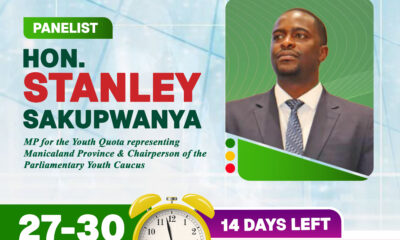
On Thursday, Botswana President Duma Boko will officially open the exhibition. His presence underscores growing regional cooperation and signals strong confidence in Zimbabwe as a trade and investment hub.

Organisers expect the fair to attract serious deal-making across sectors including manufacturing, technology, agriculture, and logistics.

Strong International Turnout

The numbers speak for themselves:

  • 485 direct exhibitors are taking part

  • 100 leaseholders (permanent or long-term exhibitors)

  • 46 international exhibitors

  • Representing 29 countries from Africa, Europe, Asia, and the Middle East

Full list of participating countries includes:

Africa: Botswana, Eswatini, Ethiopia, Kenya, Malawi, Mozambique, Namibia, Nigeria, South Africa, Tanzania, Zambia, Zimbabwe

Europe: Belarus, Belgium, Denmark, France, Germany, Ireland, Italy, the Netherlands, Sweden, United Kingdom

Asia & Middle East: China, India, Indonesia, Japan, Malaysia, Pakistan, United Arab Emirates (UAE)

Blocs & Others: European Union (EU)

This diverse participation makes ZITF 2026 one of the most internationally connected trade fairs in recent years.

Theme Breakdown: What ‘Connected Economies, Competitive Industries’ Means

The theme is not just a slogan. It reflects three key priorities:

  1. Connected Economies – Stronger trade corridors, simplified cross-border processes, and regional integration through AfCFTA and SADC.

  2. Competitive Industries – Local manufacturers upgrading technology, improving quality, and competing beyond national borders.

  3. Global Value Chains – Positioning Zimbabwe and Africa as reliable suppliers to international markets.

Organisers believe the fair provides a launchpad for African industries to move from survival mode to global competitiveness.

What to Expect at the Fair

Visitors and exhibitors can look forward to:

  • Live demonstrations of new manufacturing technologies

  • Digital transformation showcases

  • B2B matchmaking sessions

  • Policy dialogues on industrialisation

  • Networking with buyers from over two dozen countries

For local businesses, this is a rare opportunity to connect directly with international partners without leaving Bulawayo.

Why This Matters for Zimbabwe

ZITF is more than a trade fair. It is a barometer of economic confidence.

A strong 66th edition sends a clear message:

  • Zimbabwe remains open for business

  • International partners are willing to engage

  • The march toward Vision 2030 (upper-middle-income status) is alive and real

The fair also boosts Bulawayo’s economy, filling hotels, restaurants, and transport services for the week.

Final Word

As the gates open today, all eyes are on Bulawayo.

With Botswana’s President Duma Boko set to speak on Thursday, 29 countries on the exhibitor list, and a theme that prioritises real economic integration, the 66th ZITF is shaping up to be a landmark event.

Stay with The Business Diary for daily updates, interviews, and analysis from the fairgrounds.

Continue Reading

Business

Zimbabwe’s Economic Diplomacy on the Global Stage: Minister Ncube’s Abidjan Engagement

Published

on

Zimbabwe's Economic Diplomacy on the Global Stage: Minister Ncube's Abidjan Engagement

ABIDJAN-In a significant stride for Zimbabwe’s economic revitalization, Hon. Prof. Mthuli Ncube, Minister of Finance, Economic Development, and Investment Promotion, led a high-level delegation to Abidjan on 30 March 2026. The delegation’s primary objective was to engage with Dr. Sidi Ould Tah, President of the African Development Bank (AfDB), to galvanize support for Zimbabwe’s Arrears Clearance and Debt Resolution (AC & DR) Process. This strategic move underscores Zimbabwe’s commitment to re-engaging with international financial institutions and bolstering its economic recovery trajectory.

The visit provided a platform for Minister Ncube to participate in the Strategic Ministerial Dialogue on Debt Sustainability and Financing Africa’s Development Priorities. The dialogue emphasized the imperative of strengthening domestic resource mobilization through digitalization, enhancing public financial management systems, and promoting transparency and accountability in debt reporting. These measures are critical for Zimbabwe as it seeks to optimize its resource utilization and attract sustainable investments.

A key takeaway from the dialogue was the call for prudent debt management, innovative financing instruments, and stronger partnerships to mitigate rising debt vulnerabilities while safeguarding critical development spending. Minister Ncube’s participation in this dialogue highlights Zimbabwe’s proactive approach to addressing its debt challenges and fostering sustainable economic growth.

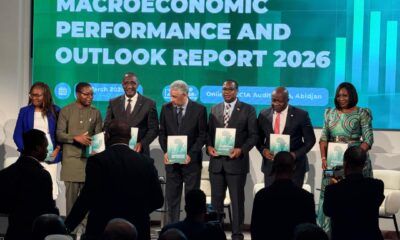
On the sidelines of the Abidjan engagements, Minister Ncube attended the launch of the Africa’s Macroeconomic Performance and Outlook 2026 Report as a panellist. The report painted a promising picture of Africa’s economic resilience, with a real GDP growth of 4.2% in 2025, surpassing the global average of 3.1%. Growth is projected at 4.3% in 2026 and 4.5% in 2027, with GDP per capita growth standing at 1.9%.

The report’s findings underscore Africa’s potential as a growth hub, notwithstanding risks from debt pressures and external shocks. It recommended coordinated policy action, structural reforms, and targeted investments in job creation, social protection, and human capital development to ensure inclusive and sustainable growth across the continent.

Minister Ncube’s engagement in Abidjan is a testament to Zimbabwe’s commitment to leveraging international partnerships and expertise to drive its economic agenda. The country’s participation in high-level dialogues and strategic engagements is crucial for attracting investments, clearing debt arrears, and fast-tracking economic recovery.

The outcomes of the Abidjan engagements are expected to inform Zimbabwe’s policy direction, particularly in areas of debt management, investment promotion, and economic diversification. As Zimbabwe charts its path towards sustainable development.

In conclusion, Minister Ncube’s Abidjan visit underscores Zimbabwe’s resolve to engage proactively with international financial institutions and development partners. By prioritizing debt sustainability, economic resilience, and inclusive growth, Zimbabwe is positioning itself for a brighter economic future.

Continue Reading

Business

Broadening the Base : Why Zimbabwe’s SME Strategy Could Define Fiscal Sustainability

Published

on

Broadening the Base : Why Zimbabwe’s SME Strategy Could Define Fiscal Sustainability

By Staff Reporter

For decades, tax authorities across Southern Africa have grappled with the same paradox: economies dominated by small and medium enterprises (SMEs) that generate substantial economic value, yet contribute disproportionately little to national tax revenues.

In Zimbabwe, where informal and small-scale businesses now account for more than 60 percent of gross domestic product, that challenge has moved to the centre of fiscal policy — and with the 2026 National Budget, government is signalling a decisive shift in how it intends to close the gap.

At the heart of this strategy is a clear directive to the Zimbabwe Revenue Authority (ZIMRA): make tax compliance simpler, fairer and more accessible for SMEs — not as a concession, but as a growth strategy.

Government has directed the ZIMRA to develop tailored, simplified strategies to bring small businesses and start-ups into the tax net in a bid to widen the tax base and meet ambitious revenue targets.

The policy push comes as Treasury sets its sights on US$7.57 billion in revenue for 2026, up from about US$6.2 billion previously, amid tightening fiscal conditions and rising demand for public services.

The medium-term revenue target stands at US$7.2 billion by end-2025, underscoring the urgency of broadening the tax base rather than increasing the burden on existing compliant taxpayers an uphill battle as a significant portion of economic activity remains outside the tax net.

Deputy Minister of Finance, Mr Kudakwashe Mnangagwa, framed SME compliance as both an economic and civic imperative and urged ZIMRA to widen the tax base and include the SME sector which accounts for more than 60% of Gross Domestic Product.

He said every tax payment is an act of patriotism, essential for national development in line with Vision 2030.

“ZIMRA must develop sector-specific strategies to bring start-ups, macro-operators, and small to medium enterprises into voluntary compliance and compliance must be fair, simple and enabling, never a barrier to innovation or enterprise,” Mr Mnangagwa said during the recent ZIMRA Taxpayer Appreciation Awards

“Taxes should create space for businesses to thrive, start-ups to grow and creativity to flourish.”

His remarks echo a growing regional consensus that coercive enforcement alone cannot sustainably integrate informal businesses into the tax system.

Zimbabwe’s SME sector has grown rapidly over the past decade, driven by de-industrialisation, demographic pressure and the expansion of informal trade.

According to the 2022 FinScope SME Survey, the sector contributes an estimated US$8.2 billion to National GDP, making it one of the most significant engines of economic activity.

Yet much of that value remains outside the formal tax net.

With more than 70 percent of the economy operating informally and largely cash-based, collecting value-added tax (VAT), corporate income tax and presumptive levies has proven increasingly difficult.

Weak record-keeping, limited digital access and mistrust of tax authorities have compounded the challenge.

Mr Mnangagwa condemned smuggling activities and tax evasion saying it undermined the country’s development.

Reports indicate that rampant tax evasion and widespread smuggling are crippling Zimbabwe’s revenue collection efforts, costing the nation millions of United States dollars annually and directly threatening the funding of critical public services, officials have warned.

According to official statistics, the government continues to lose vast sums to smuggling, tax fraud, under-invoicing and other illicit financial activities.

Some registered businesses fail to use or tamper with fiscalised electronic registers to underreport sales and avoid paying the correct amount of VAT.

Alongside reform, government has intensified its messaging on the costs of non-compliance. Smuggling, under-invoicing and tax fraud continue to drain public resources, costing the country millions of US dollars annually, according to official estimates.

Mnangagwa was blunt in his assessment, “Compliance is more than law, it is a moral commitment to our communities and future generations.”

“Every act of smuggling, evasion or corruption steals from our children, our communities and our future,” he said.

He linked revenue leakage directly to service delivery gaps, arguing that undeclared goods and falsified returns deprive hospitals of medicines, schools of textbooks and communities of infrastructure.

The challenge is not unique to Zimbabwe. The African Development Bank estimates that illicit financial flows cost the continent over US$80 billion annually, undermining development and investor confidence.

ZIMRA Chairperson, Mr Anthony Mandiwanza, said the authority is recalibrating its approach, balancing revenue mobilisation with practical support for taxpayers, making compliance simpler, especially for small and medium enterprises (SMEs) and start-ups.

Mr Mandiwanza said ZIMRA is pursuing a dual strategy anchored on aggressively expanding revenue collection while making compliance more accessible.

“In the spirit of leaving no one and no place behind, we are also taking services directly to citizens through mobile units, digital platforms, and kiosks at all regional offices,” he said.

“These initiatives are designed to address structural barriers faced by SMEs, including limited internet access, lack of digital literacy and high compliance costs relative to business size,” he said.

He said the push for “sector-specific strategies” and the expansion of mobile and digital tax services are designed to bring more players into the formal system voluntarily.

ZIMRA’s strategy aligns with international best practice. Across Africa, revenue authorities are increasingly adopting “facilitative compliance” models — simplifying registration, reducing filing frequency for small firms and offering education before penalties.

The Kenya Revenue Authority, for example, has rolled out mobile tax clinics and simplified turnover taxes for micro-enterprises, while South Africa’s SARS operates a graduated compliance framework for small businesses. Zimbabwe’s reforms suggest a similar trajectory.

Treasury’s revenue targets reflect growing confidence in macroeconomic stability, particularly following improved inflation control and currency management under the Zimbabwe Gold (ZiG) regime.

But analysts warn that targets of this scale cannot be met without tapping into the informal economy.

Economists note that Zimbabwe’s tax-to-GDP ratio, while improving, remains constrained by narrow compliance.

“Broadening the base is more sustainable than raising rates,” said one Harare-based fiscal analyst. “You cannot keep taxing the same formal firms harder while the majority of economic activity sits outside the system.”

Government’s SME support programmes strengthen this argument.

Treasury officials argue that formalisation and tax compliance should increasingly be tied to access to finance, markets and government support — a model used successfully in countries such as Rwanda and Mauritius.

In 2023, the government disbursed US$5,3 billion to support small and medium scale enterprises last year using the Small and Medium Enterprises Development Corporation, the Zimbabwe Women Microfinance Bank, the Zimbabwe Community Development Fund and the Women Development Fund.

Across Southern Africa, fiscal pressures are intensifying. Slower global growth, climate-related shocks and rising debt servicing costs have forced governments to seek more reliable domestic revenue streams.

Zimbabwe’s strategy reflects this regional reality. By focusing on SMEs — the most dynamic yet under-taxed segment of the economy — authorities are attempting to align revenue mobilisation with inclusive growth.

The 2026 Budget reinforces this logic by avoiding aggressive new taxes and instead focusing on compliance efficiency, digitalisation and behavioural change.

The push to ease SME compliance is not about lowering standards, but about widening opportunity. In an economy where small businesses are no longer peripheral but central, fiscal systems must adapt.

As the 2026 Budget takes effect, Zimbabwe’s revenue strategy sends a clear message: growth, compliance and development are not competing goals — they are mutually reinforcing.

The success of ZIMRA’s reforms will ultimately depend on execution. Simplification must be real, not rhetorical. Digital platforms must work reliably. Enforcement must remain firm but fair.

If successful, Zimbabwe could offer a regional case study in how to transition from a narrow, enforcement-heavy tax system to one built on participation and trust.

Continue Reading

Trending