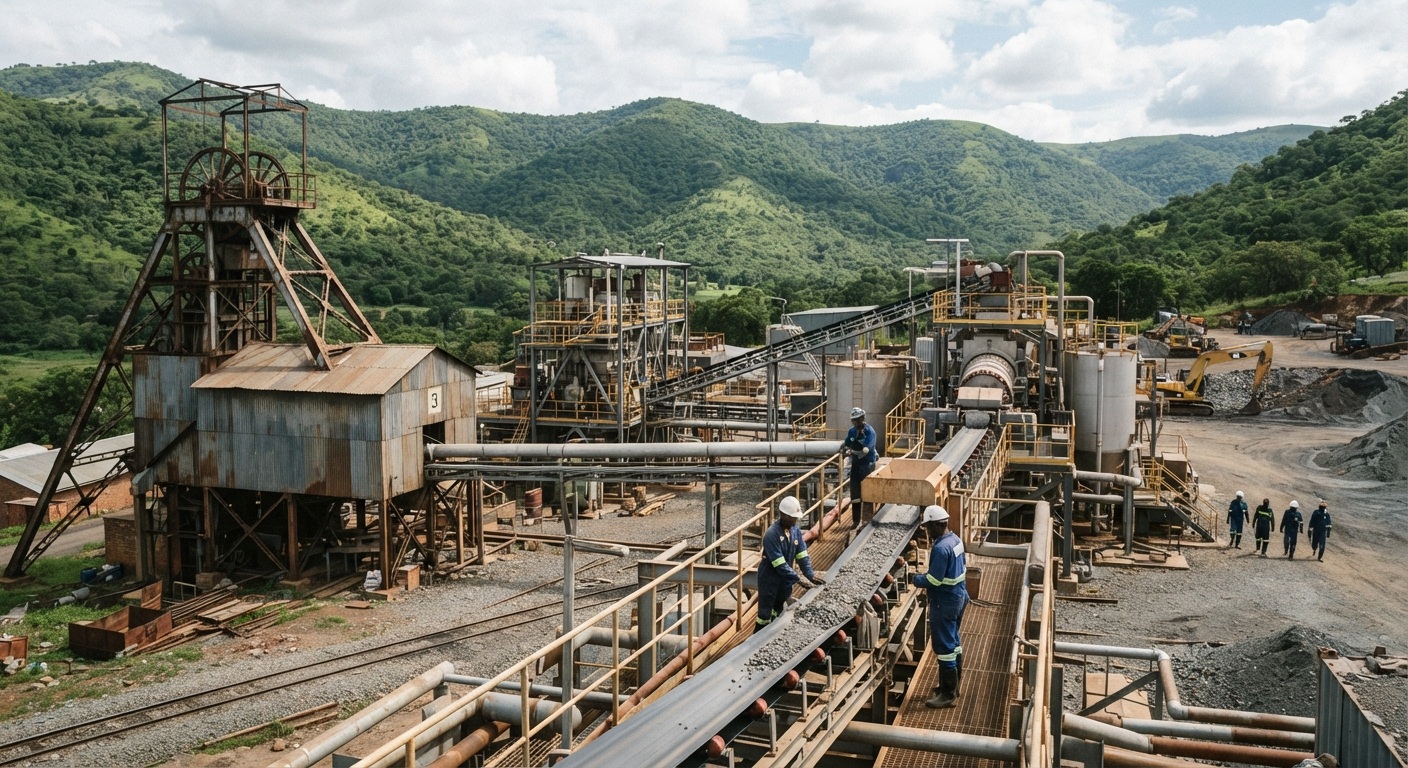
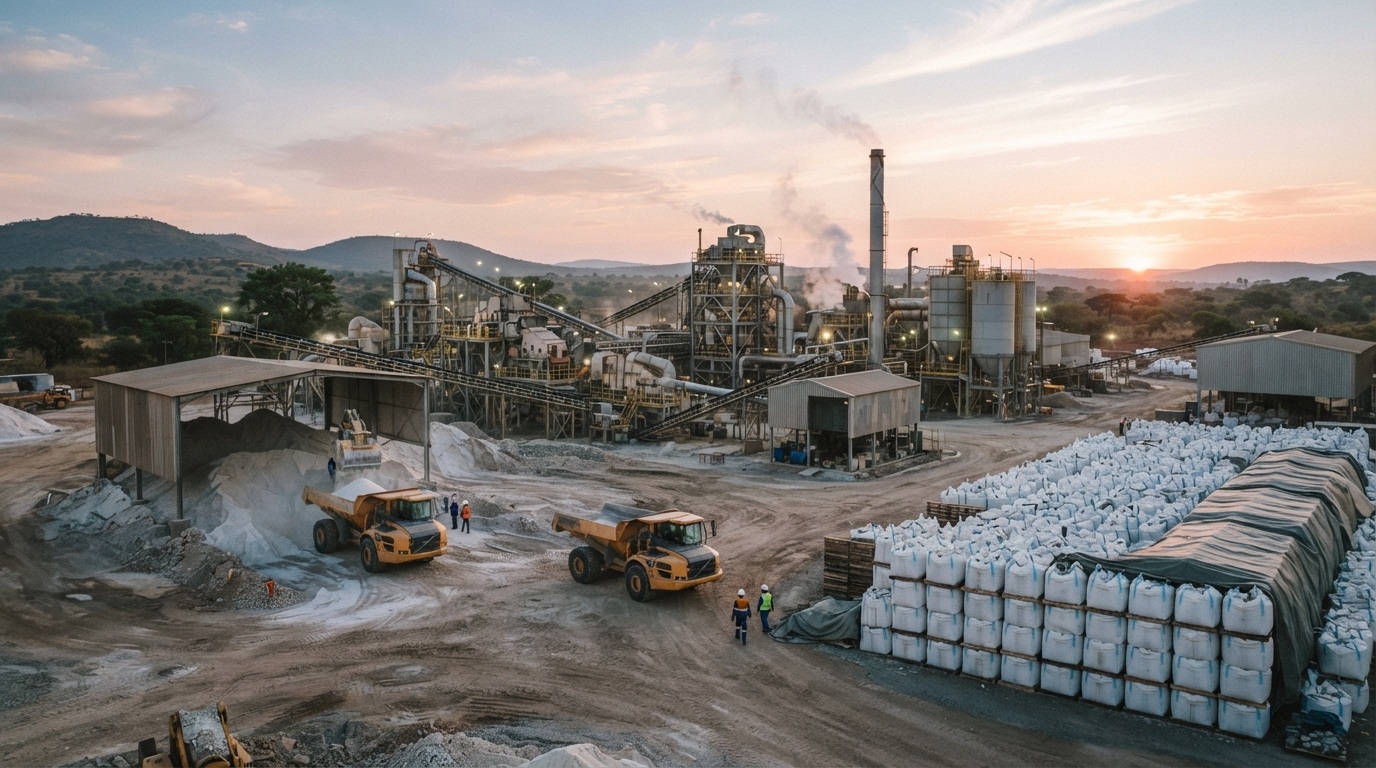
PENHALONGA, MANICALAND – Redwing Mine has returned to gold production after seven years of inactivity, with operator Namib Minerals pouring its first gold at the historic Penhalonga operation on November 23.
The milestone marks the revival of one of Zimbabwe’s long-established gold mines and gives Namib Minerals a second producing asset alongside its flagship How Mine in Bulawayo.
The restart follows an accelerated rehabilitation and recommissioning programme covering critical underground infrastructure and processing facilities. Commercial mining at Redwing had ceased in 2019 when the operation was placed on care and maintenance under its previous ownership.
Namib Minerals said the immediate priority is to establish consistent mining and processing operations before increasing production.
The company is pursuing a phased ramp-up, with further investment and technical work expected to determine the mine’s long-term production potential.
Seven years after closure, Redwing returns
Redwing is a century-old gold operation located in Penhalonga, near Mutare in Manicaland Province.
The mine was previously part of the gold assets associated with Metallon Corporation, once one of Zimbabwe’s largest gold producers. Metallon placed Redwing on care and maintenance in 2019 amid difficult operating and economic conditions.
The operation has historically produced approximately 650,000 ounces of gold between 1981 and 2023, according to Namib Minerals.
Its revival has required substantial work to restore access to underground workings and bring essential infrastructure back into operation.
Grid electricity was restored in June 2026, supporting the dewatering programme and subsequent rehabilitation activities.
Namib completed the dewatering programme in September, ahead of its original fourth-quarter target. Removing accumulated underground water allowed the company to resume access for technical investigations and mining preparations.
The accelerated restart culminated in the first gold pour this week.
Production ramp-up and further investment
While the first gold pour confirms the return of production, Redwing is not yet operating at its intended long-term capacity.
Namib Minerals is prioritising operational consistency before increasing throughput.
A higher-capacity underground winder is expected to be delivered by the end of the first quarter of 2027. The equipment is intended to improve the movement of workers, ore and materials through the mine, supporting higher operating capacity.
The company also expects to complete the technical programme for Redwing’s Definitive Feasibility Study in early 2027.
The study will assess the mine’s redevelopment potential, including opportunities to redesign operations and increase long-term production capacity. Resource-definition drilling is expected to follow.
Namib has indicated that its broader Zimbabwean mine restart programme involves substantial investment. However, estimates for the full redevelopment remain subject to technical assessment and financing decisions.
The company has said it will provide 2027 production and cost guidance in the first quarter of next year, once sufficient operating data is available.
A wider opportunity for Manicaland
Redwing’s return could provide an economic boost to Penhalonga and the wider Manicaland economy.
Mining operations generate demand for engineering, transport, equipment maintenance, security, accommodation, catering and other supporting services.
Local suppliers and small businesses could benefit as activity increases, while sustained production could support direct and indirect employment.
The mine’s revival also restores an important industrial asset to a province with established mining and agricultural activities.
However, the scale of the economic benefit will depend on the pace of expansion, employment levels, local procurement and the extent to which suppliers from surrounding communities participate in the mine’s supply chain.
The environmental and social dimensions of the restart will also remain important. Penhalonga has experienced longstanding mining-related pressures, making responsible water management, land rehabilitation, worker safety and community engagement important considerations as operations expand.
Zimbabwe’s gold production ambitions
Redwing’s return comes as Zimbabwe seeks to increase gold production and strengthen mining’s contribution to exports and economic growth.
The country produced a record 46.7 tonnes of gold in 2025, according to figures reported by Reuters. National output is expected to exceed 50 tonnes in 2026.
The revival of previously dormant mines is part of the broader opportunity to increase production from existing mineral assets rather than relying exclusively on new discoveries.
For Namib Minerals, Redwing also reduces dependence on a single producing operation. Its How Mine produced approximately 25,000 ounces in 2025, according to Reuters.
The group is also advancing development opportunities at Mazowe Mine.
Namib’s longer-term ambition is to build towards combined annual gold production of approximately 300,000 ounces across its portfolio. This is a company-wide target, not a confirmed production forecast for Redwing alone, and remains dependent on technical studies, financing, regulatory approvals and execution.
Business Diary Analysis
Redwing’s reopening is important because it demonstrates the potential economic value of rehabilitating established mining assets.
Restarting an existing mine can offer advantages over developing a greenfield project. Existing geological information, historical production records, mining infrastructure and established access routes can provide a foundation for redevelopment.
However, a mine returning to production after years of inactivity does not automatically become commercially sustainable. Underground rehabilitation, equipment replacement, electricity supply, processing capacity and working capital all influence operating costs and production reliability.
For Zimbabwe, the wider benefit lies in converting dormant mineral assets into consistent export-generating operations.
Gold remains an important source of foreign currency, while mining supports employment, local procurement, transport and demand for industrial services.
Redwing’s revival could strengthen these linkages in Manicaland, but the economic contribution will depend on sustained output and the extent to which local businesses participate in the supply chain.
The investment also highlights the importance of a predictable operating environment for mining companies. Long-term capital commitments require confidence in mining rights, regulatory processes, fiscal arrangements, infrastructure and the ability to repatriate investment returns.
The next phase will therefore be more significant than the first gold pour itself. Investors, workers and the surrounding community will be looking for evidence that the operation can sustain production, expand responsibly and generate lasting economic value.
Whats Next?
Namib Minerals’ immediate focus is to stabilise operations and progressively increase production at Redwing.
The delivery of the higher-capacity underground winder, completion of the feasibility study and further resource-definition work will be key milestones during the first half of 2027.
The company is also expected to release its 2027 production and cost guidance in the first quarter, providing investors with a clearer picture of Redwing’s contribution to its wider portfolio.
For Penhalonga, the priority will be translating the mine’s return into employment, business opportunities and responsible local development.
Redwing has taken an important step towards reclaiming its place in Zimbabwe’s gold industry. Its long-term significance, however, will be measured by sustained production, investment discipline and the economic value it creates beyond the mine gates.