Business & Economy
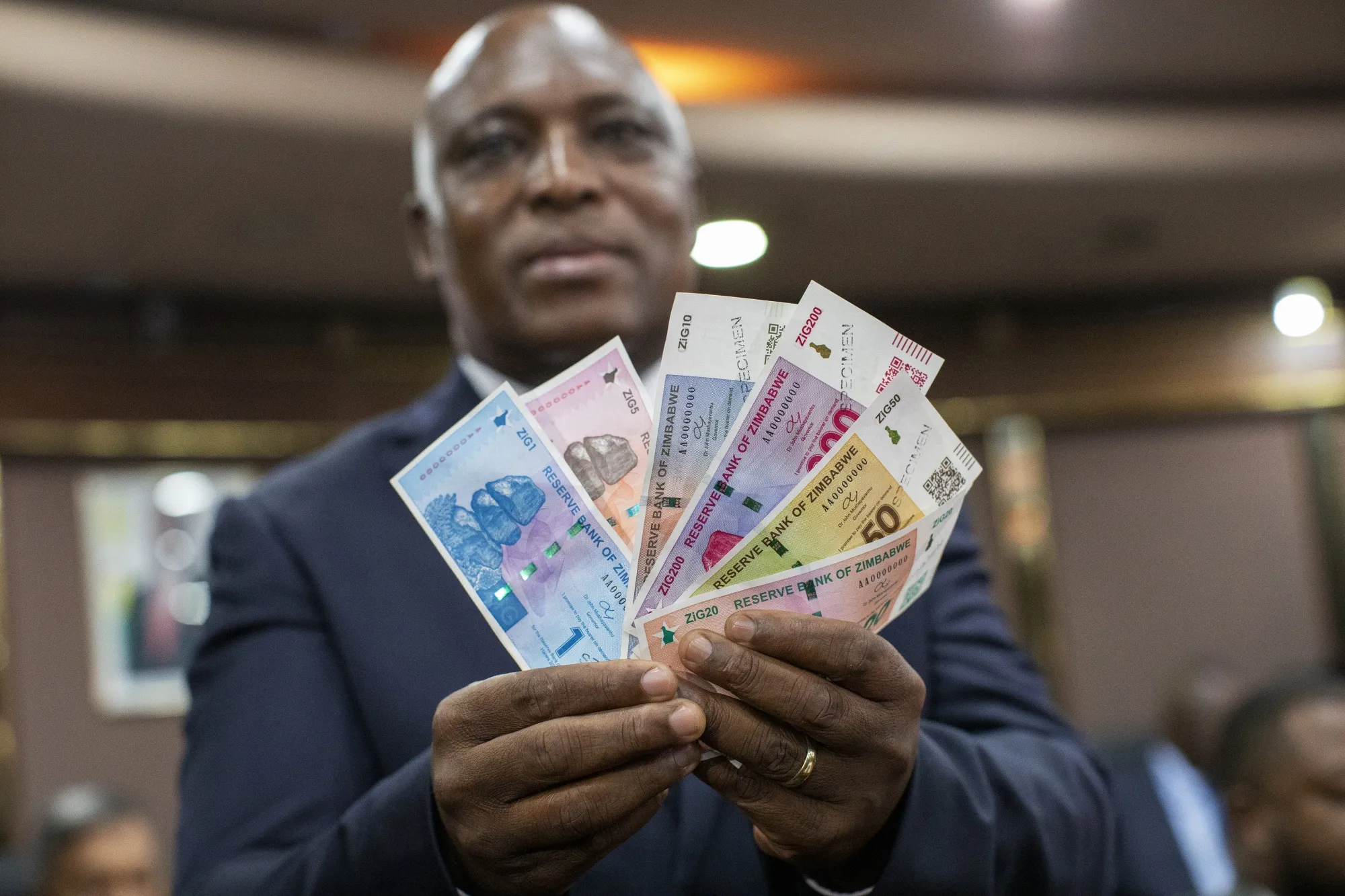
Zim Enjoys Currency Stability In Three Decades



Business & Economy
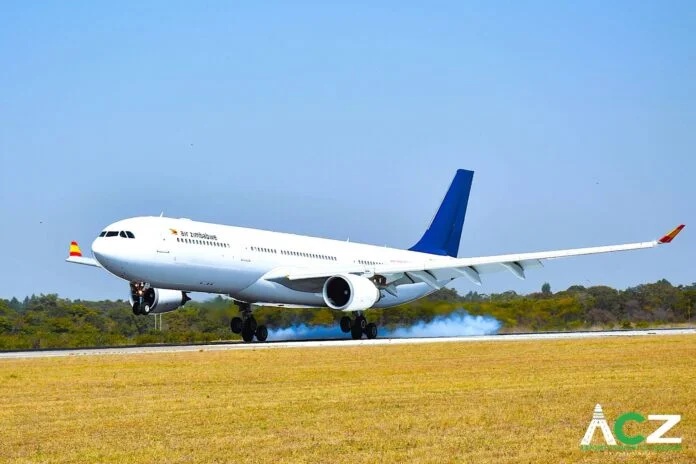
Air Zimbabwe Secures EuroAtlantic Aircraft to Stabilise London Route After Wet-Lease Disruption
Air Zimbabwe has appointed Portugal-based EuroAtlantic Airways as its new wet-lease partner for the Harare–London service after the withdrawal of Spanish carrier Plus Ultra disrupted flights earlier this week. The replacement arrangement is intended to restore operational continuity ahead of the festive travel season.

Business & Economy
Minister Tagwirei Hosts French Envoy to Advance Zimbabwe-France Trade and Investment
Moving swiftly to assert operational command of his portfolio, Minister of Economic Development and Investment Promotion Senator Dr. Kudakwashe Tagwirei hosted the Ambassador of France to Zimbabwe for high-level talks focused on unlocking investment opportunities, strengthening bilateral trade, and advancing pragmatic economic cooperation between Harare and Paris.
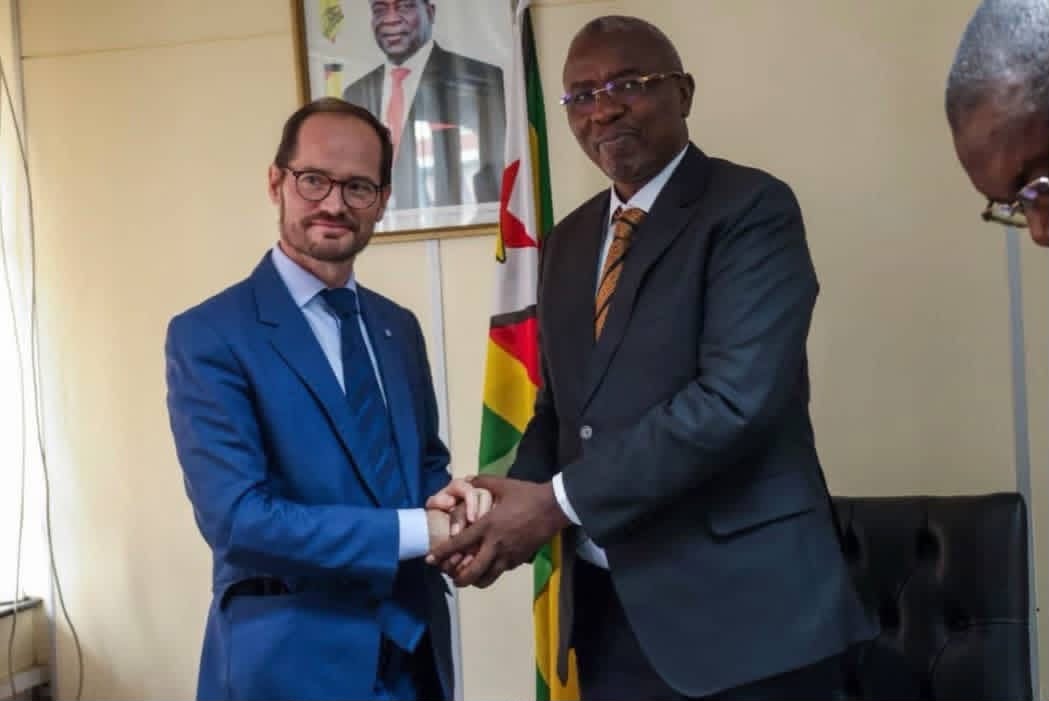
HARARE — Zimbabwe’s drive to translate its “Open for Business” mantra into tangible international capital gained fresh momentum this week as the Minister of Economic Development and Investment Promotion, Senator Dr. Kudakwashe Tagwirei, hosted the Ambassador of France to Zimbabwe for high-level bilateral talks.
Moving swiftly to assert operational command of his newly established portfolio, Dr. Tagwirei used the engagement to outline Harare’s immediate economic priorities, focusing squarely on unlocking direct investment opportunities, expanding bilateral trade volumes, and building structured economic cooperation between Zimbabwe and France.
Since taking the helm of the separated Ministry of Economic Development and Investment Promotion in October 2026, Dr. Tagwirei has prioritized results-driven economic diplomacy over political rhetoric. His background as a prominent industrialist and entrepreneur—having built major commercial footprints across Zimbabwe’s energy, mining, agriculture, and infrastructure sectors—brings a private-sector urgency to a ministry specifically designed to mobilize capital alongside the Ministry of Finance’s fiscal stewardship.
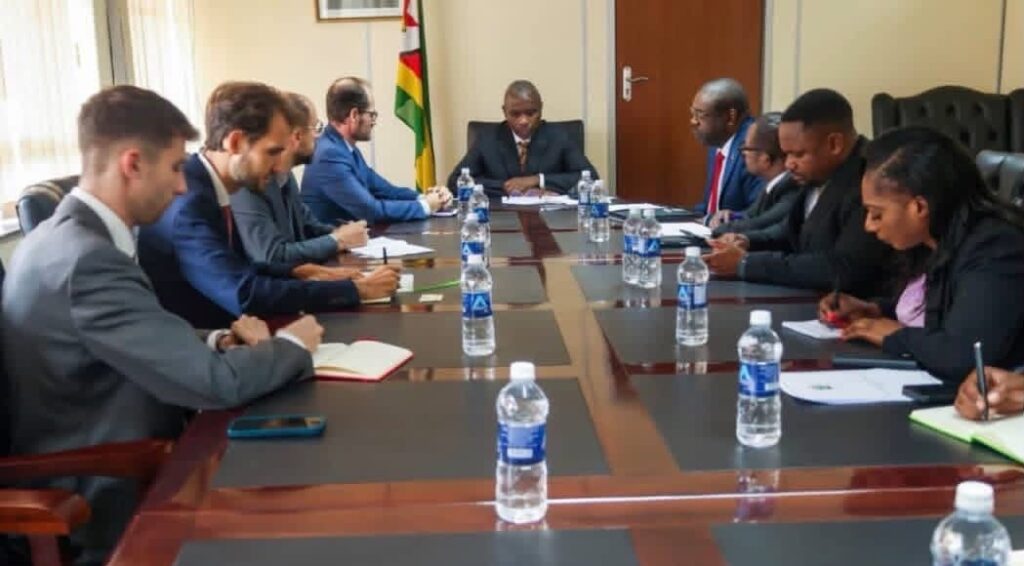
Harare and Paris Chart Pragmatic Economic Course as Minister Tagwirei Engages French Envoy
The meeting with the French envoy signals a notable step in Zimbabwe’s broader engagement and re-engagement agenda championed by President Dr. Emmerson Mnangagwa. Guided by the foreign policy doctrine of being “a friend to all and an enemy to none,” Harare has consistently sought to reset relations with Western capitals by anchoring discussions in mutual economic interest rather than historical friction.
As a leading voice within the European Union, France’s willingness to engage directly with the Ministry of Economic Development and Investment Promotion underscores a growing pragmatic consensus: sustainable progress between Harare and Brussels is best achieved through commercial partnerships, trade facilitation, and direct dialogue rather than megaphone diplomacy.
For Dr. Tagwirei’s ministry, the engagement sets the tone for an active, outward-looking mandate. With Zimbabwe consolidating recent macroeconomic stability—marked by steady GDP growth and sharply moderated inflation—the Ministry is positioning itself as the primary bridge for international investors seeking bankable projects in a reforming market.
By pairing private-sector execution with state-level diplomacy, Dr. Tagwirei is signaling to both regional and European partners that his office is fully operational, aligned with Vision 2030, and ready to convert diplomatic goodwill into concrete economic output.
Business & Economy
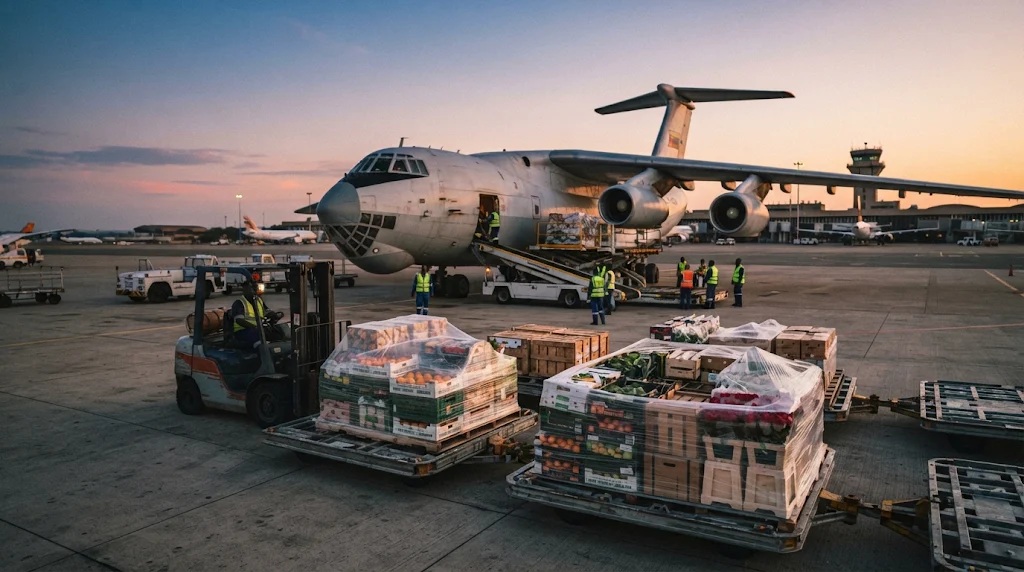
RGM Airport Cargo Village Gets National Project Status
The proposed US$1.3 billion cargo village at Robert Gabriel Mugabe International Airport has been awarded National Project Status. The designation is meant to unlock fiscal incentives and lower costs for a privately financed project. The Airports Company of Zimbabwe (ACZ) says it will help turn Harare into a regional cargo hub.

Air Zimbabwe Secures EuroAtlantic Aircraft to Stabilise London Route After Wet-Lease Disruption

Redwing Mine Roars Back to Life, Reigniting Zimbabwe’s Gold Production Ambitions

Food manufacturer says collateral and land rules still lock Zimbabwean women out of commercial growth

What is Robert Kiyosaki’s net worth after his latest book flop?

Egypt’s Richest Man, Nassef Sawiris’ Wealth Surges by $410M in Just over a Week.

Billionaires Who Didn’t Go to College
-
 Business & Economy3 years ago
What is Robert Kiyosaki’s net worth after his latest book flop?
-
Business & Economy3 years ago
Egypt’s Richest Man, Nassef Sawiris’ Wealth Surges by $410M in Just over a Week.
-
Business & Economy3 years ago
Billionaires Who Didn’t Go to College
-
Business & Economy3 years ago
Africa’s youngest billionaire: Mo Dewji’s impactful empire extends beyond wealth
-
Business & Economy3 years ago
Meet World’s Richest Family Who live In $478m House, Own 700 Cars
-
Business & Economy3 years ago
Malawian Billionaire Thom Mpinganjira’s Fortune Drops by $8 Million in a Month
-
Technology & Telecommunications3 years ago
Liquid C2 partners with Google Cloud and Anthropic to bring advanced cloud, cyber security and generative AI capabilities to Africa
-
Business & Economy3 years ago
Zimbabwe’s Beverage Industry: A Digital Marketing Analysis of Delta Beverages and Varun Beverages Zimbabwe