Connect with us

Healthcare & Pharmaceuticals

Zimbabwe Set for Generic HIV Prevention Drug as Lenacapavir Supply Expands

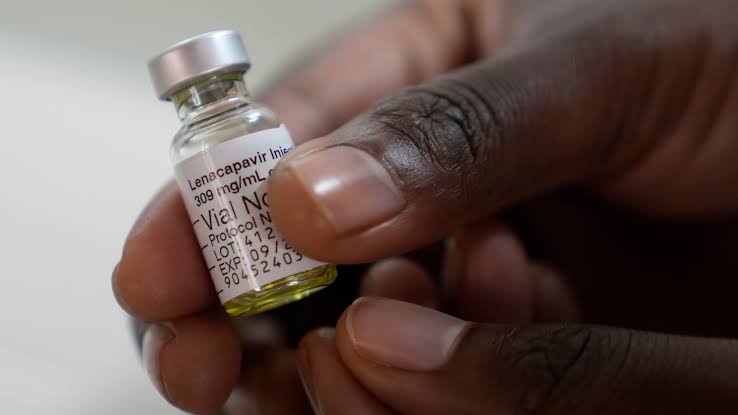
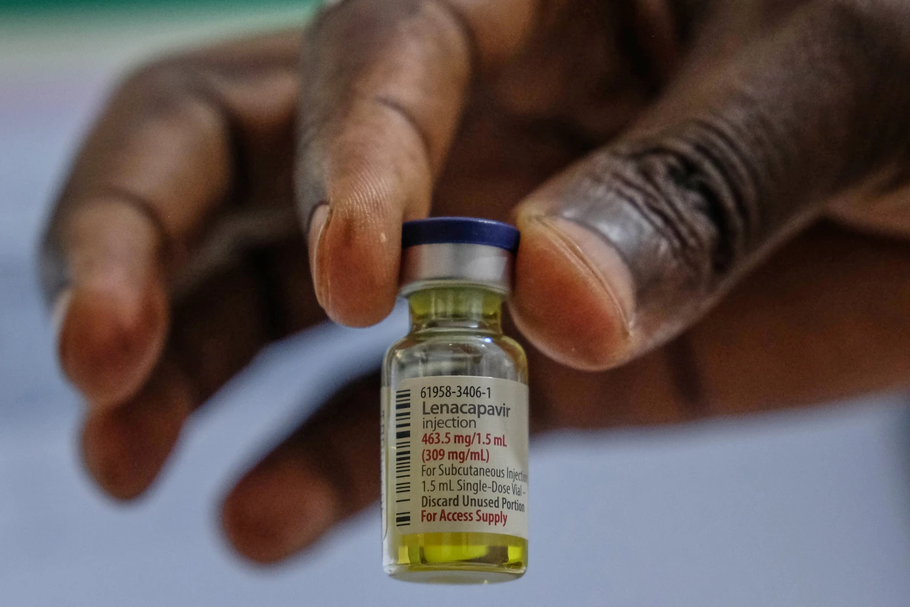
Zimbabwe is expected to receive generic versions of long-acting HIV prevention drug lenacapavir in early 2027, following a new supply arrangement involving Indian pharmaceutical manufacturer Hetero. The development could strengthen the country’s rollout of the twice-yearly injection as demand increases and funding pressures threaten long-term access.

Published

on

Zimbabwe to Receive Generic Lenacapavir HIV Prevention Drug

HARARE – Zimbabwe is set to receive additional supplies of lenacapavir in generic form as international efforts gather pace to expand access to one of the most significant recent developments in HIV prevention.

Indian pharmaceutical manufacturer Hetero has begun shipping generic versions of the drug to African markets, with plans to supply 300,000 vials to Zimbabwe, Zambia and Uganda.

The announcement, reported by Reuters on Thursday, November 26, comes as the Global Fund to Fight AIDS, Tuberculosis and Malaria confirms that its first generic lenacapavir shipment to Zimbabwe is expected in early 2027.

The supplies are intended to support wider access to the long-acting medicine, which requires two injections a year and offers an alternative to daily oral pre-exposure prophylaxis (PrEP).

The development is particularly significant for Zimbabwe, where the original version of lenacapavir was introduced in February 2026 under a phased national prevention programme.

Generic supply to expand access

Hetero’s announcement marks an important step towards expanding the availability of lenacapavir in countries with high HIV burdens.

The company plans to supply 300,000 vials across Zimbabwe, Zambia and Uganda. It has not publicly disclosed the allocation for each country or confirmed the specific delivery date for Zimbabwe.

The Global Fund announced on November 25 that the first generic deliveries had arrived in Zambia, with supplies to Uganda expected shortly afterwards. Zimbabwe’s Global Fund-financed shipment is scheduled for early 2027.

The distinction is important because generic supply is expected to increase the volume of medicine available as international partners seek to expand the programme.

Gilead Sciences, which developed the original drug, has licensed six generic manufacturers, including Hetero and Dr Reddy’s Laboratories, to manufacture and supply versions of lenacapavir in 120 low- and middle-income countries.

The licensing arrangement is intended to broaden access in regions where the cost and availability of newer medicines have historically limited public health programmes.

Zimbabwe’s existing rollout

Zimbabwe became one of the first countries globally to introduce lenacapavir when the Ministry of Health and Child Care launched the programme on February 19, 2026.

The initial programme targeted more than 46,000 people at increased risk of HIV infection across 24 sites, with support from the United States Government and the Global Fund.

By October, the Ministry had recorded approximately 4,700 initiations from the first doses distributed across 12 sites, according to AIDS and TB unit director Dr Owen Mugurungi.

The country had also received 23,000 doses, with a further 20,000 expected under the US-supported supply arrangement.

Health authorities were preparing to expand access nationally from January 2027, including training healthcare workers, assessing facilities and identifying alternative delivery points beyond conventional clinics.

The programme has prioritised populations facing elevated HIV exposure, including adolescent girls and young women and other key and priority populations.

The introduction of generic supplies could help strengthen the availability of the medicine as the programme moves towards wider implementation.

How the new medicine works?

Lenacapavir is a long-acting antiretroviral medicine used as pre-exposure prophylaxis.

Unlike conventional oral PrEP, which requires daily tablets, lenacapavir is administered through an injection every six months.

It works by interfering with the HIV capsid, a protein shell that protects the virus and plays an important role in its replication.

Clinical trials demonstrated very high protection against HIV infection among people using the medicine as prescribed. The World Health Organisation recommended injectable lenacapavir as an additional HIV prevention option in 2025.

The injection is not a treatment for people already living with HIV. It is intended for HIV-negative individuals who require protection against acquiring the virus. Appropriate HIV testing and clinical assessment are necessary before starting PrEP.

It also does not replace other prevention measures, including condoms, regular testing and other appropriate sexual health services.

Funding and Sustainability

The expansion comes as Zimbabwe works to sustain its HIV prevention gains amid changes in international health financing.

In October, Dr Mugurungi told The Herald that the United States had procured approximately 43,000 doses for Zimbabwe but would not continue supporting the commodity beyond that supply.

He said the Government would need to identify additional financing, including support from the Global Fund, to sustain the programme as it moved towards national implementation.

The arrival of generic versions could improve supply availability and create opportunities for more affordable procurement. However, the actual cost to Zimbabwe will depend on procurement agreements, financing arrangements and the volumes secured.

The Global Fund and the United States Government have set a joint ambition of reaching at least three million people with lenacapavir by the end of 2028.

More than 189,000 people across 10 early-adopter countries had received their first dose by November 2026. The Global Fund plans to deliver four times the volume of lenacapavir in 2027 compared with 2026, with quality-assured generics expected to account for a growing share.

Business Diary Analysis

The development has implications beyond the introduction of another medicine. It highlights the growing importance of generic pharmaceutical manufacturing in expanding access to advanced healthcare technologies across developing economies.

For Zimbabwe, the immediate benefit is the prospect of strengthening a prevention programme that has already attracted significant demand.

The twice-yearly dosing schedule may also improve adherence among people who find daily medication difficult to maintain because of work patterns, stigma, mobility or other practical barriers.

However, the medicine’s public health impact will depend on more than availability. Zimbabwe will need reliable procurement, adequate funding, trained healthcare workers, regular follow-up and sufficient delivery capacity.

There is also a supply-chain consideration. The country’s initial rollout depended heavily on external support. A sustainable programme will require predictable financing and procurement arrangements rather than periodic consignments that risk interrupting access.

The generic market could help address this challenge by increasing the number of manufacturers supplying the medicine. Greater competition has the potential to improve affordability, although lower prices should not be assumed until procurement costs are disclosed.

For Zimbabwe’s pharmaceutical sector, the development also reinforces the importance of strengthening local manufacturing capacity. While the latest generic supplies are being manufactured by international companies, the broader opportunity lies in developing the technical, regulatory and investment environment needed to increase domestic participation in pharmaceutical production.

Lenacapavir could become an important addition to Zimbabwe’s HIV prevention toolkit. Its long-term contribution, however, will depend on whether the country can finance and deliver the medicine consistently to those who need it.

Whats Next?

The immediate milestone is the arrival of the Global Fund-financed generic shipment expected in Zimbabwe in early 2027.

Health authorities will also need to complete preparations for the planned national expansion, including facility readiness, healthcare worker training and reliable arrangements for follow-up injections.

The Government’s ability to secure financing beyond existing donor-supported supplies will be equally important.

For now, the expansion of generic lenacapavir offers Zimbabwe an opportunity to increase access to a highly effective HIV prevention option. The central test will be whether the country can turn the initial rollout into a sustainable national programme.

The Business Diary magazine is a comprehensive publication that centers around business and economic development news. It covers a wide range of topics including finance, mining, technology, environment, climate finance, and agriculture. With its focus on providing valuable insights and updates, the magazine caters to readers who are interested in staying informed about the latest developments and trends in the business and economic landscape of Zimbabwe.

Healthcare & Pharmaceuticals

Zimbabwe Launches US$14.33 Million Pandemic Preparedness Fund to Fortify National Health Security

Published

on

Zimbabwe Launches US$14.33 Million Pandemic Preparedness Fund to Fortify National Health Security

Harare — In a decisive strategic pivot from reactive disease containment to proactive protection, the Government of Zimbabwe has officially launched a US$14.33 million Pandemic Fund country project. Running across a three-year implementation window from 2026 to 2028, the landmark initiative is designed to drastically improve early threat detection, upgrade laboratory diagnostics, expand professional workforce capacity, and fortify emergency response mechanisms across human, animal, and environmental health sectors.

The high-impact project is bolstered by significant financial commitments, leveraging US$49 million in partner co-financing alongside US$91.8 million in direct government co-investment.

A Multi-Sectoral “One Health” Approach

Led by the Government of Zimbabwe, the project is executed through a collaborative partnership involving the African Development Bank Group (AfDB), the Food and Agriculture Organization of the United Nations (FAO), and the United Nations Children’s Fund (UNICEF), working hand-in-hand with key national ministries and international stakeholders.

The initiative embraces the holistic “One Health” framework, acknowledging that modern health and pathogen threats intersect across human populations, livestock, wildlife, and natural ecosystems.

“As we pursue Vision 2030 and implement the National Development Strategy 2, pandemic preparedness requires a whole-of-government and whole-of-society effort,” emphasized Dr. Anganai Sinha. “By aligning human health, animal health, agriculture, environment, local government, research and the private sector around a shared mandate, we ensure our preparedness systems are resilient, unified and capable of protecting all Zimbabweans.”

Core Pillars of the US$14.33M Project

To establish robust defenses against emerging health crises, the three-year project targets several strategic operational areas:

  • Advanced Disease Surveillance & Early Warning: The initiative expands event-based, environmental, community-based, and cross-border surveillance. It integrates cutting-edge digital tools, automated weather stations, social listening, and community feedback systems, backed by the establishment of five public health emergency operations centres in critical regions. Up to two million citizens are expected to be reached via targeted multilingual campaigns and digital platforms.

  • Laboratory Diagnostics Upgrades: Laboratory networks are undergoing extensive overhauls, encompassing 25 upgraded laboratories (five national and 20 subnational facilities). The project supplies vital equipment and reagents, standardizes diagnostic algorithms, and institutes rigorous quality assurance and proficiency testing.

  • Workforce Development: To address human resource capacity constraints, more than 10,000 professionals across human, animal, and environmental health disciplines will undergo specialized emergency preparedness and response training.

  • Governance and Readiness: The framework introduces routine annual simulation exercises to test national response protocols, thorough post-emergency reviews, and tightened risk assessments at all national points of entry.

Building Long-Term Regional Resilience

The launch reflects vital lessons learned from global disruptions—such as the COVID-19 pandemic—which exposed historical vulnerabilities in international health supply chains and containment infrastructure.

With the African Development Bank reaffirming its steadfast commitment to Zimbabwean health security, the initiative serves as a cornerstone for sustainable economic development and regional stability across Southern Africa. By locking in robust domestic investments and international backing, Zimbabwe is laying the groundwork for a secure, resilient healthcare ecosystem capable of protecting its populace well into the future.

Continue Reading

Healthcare & Pharmaceuticals

The Game-Changer We’ve Waited For: Africa’s Leap Towards an AIDS-Free Generation with New HIV-Prevention Shot, Lenacapavir

Lenacapavir, a twice-yearly HIV prevention injection, offers hope to Zimbabwe & Africa. The landmark $40 generic price is a potential game-changer against AIDS.

Published

on

The Game-Changer We’ve Waited For Africa’s Leap Towards an AIDS-Free Generation with New HIV-Prevention Shot Lenacapavir
Tuesday, November 3, 2026 — As a country with one of the highest HIV prevalence rates globally, Zimbabwe, like much of Africa, has long battled a double-edged sword: the virus itself and the logistical and financial hurdles of preventing its spread. But this week, a ray of hope pierced the narrative, and it comes in the form of a game-changer: lenacapavir, the world’s first twice-a-year injectable for HIV prevention.
This isn’t just another addition to the arsenal against HIV/AIDS. For millions of Zimbabweans and Africans, particularly young women, who are disproportionately affected by the epidemic, lenacapavir promises a revolution in pre-exposure prophylaxis (PrEP).

Why Lenacapavir is a Breakthrough: Effectiveness Unprecedented

Unlike the daily oral PrEP pills, which demand unwavering adherence and can be susceptible to user error, lenacapavir, when administered every six months, offers a powerhouse of protection. In two groundbreaking clinical trials, including the PURPOSE 1 trial among young women in South Africa and Uganda, the injectable demonstrated unprecedented effectiveness, virtually eliminating new HIV infections. This near-perfect prevention rate is what makes lenacapavir so significant, offering a reliable, long-acting shield against the virus.

Affordability: The Essential Catalyst for Africa’s HIV Response

The true triumph, however, is not just the drug’s potency but also its potential for affordability in the very countries that need it most. Initial announcements indicate that the generic version of lenacapavir, developed by India-based Dr Reddy’s Laboratories, is expected to cost approximately $40 per person per year in low- and middle-income countries (LMICs), including Zimbabwe. This price point is not only a fraction of its cost in wealthier nations but also matches the current price of daily oral PrEP tablets.
This critical breakthrough was made possible through a collaboration between global health agencies, research institutes, and generic manufacturers, including Unitaid, the Clinton Health Access Initiative (CHAI), and Wits RHI, a South African health research institute. Their concerted effort, combined with voluntary licensing agreements, has paved the way for earlier generic entry into the market, even before patent expiry.

Zimbabwe and Africa: A Historic Opportunity to Turn the Tide

The potential gains for Zimbabwe and Africa, the epicenter of the global HIV epidemic, are immense.
  • Empowering the Most Vulnerable: Young women and adolescent girls in sub-Saharan Africa are disproportionately affected by HIV. For them, a twice-yearly injection offers a discreet and highly effective prevention option, overcoming barriers such as stigma, difficulty in maintaining daily pill regimes, and lack of control over sexual encounters.
  • Strengthening Global HIV Prevention Programmes: Lenacapavir can significantly bolster global efforts to scale up PrEP to the millions who need it. According to global health agencies, expanding PrEP access from its current levels to 20 million people globally by 2030 is critical to reducing new HIV infections, which remain unacceptably high at an estimated 1.3 million per year.
  • Economic Gains: Beyond saving lives, reducing HIV transmission will alleviate the substantial economic burden associated with treatment, care, and lost productivity. This represents a long-term investment in Africa’s future, freeing up resources for other critical development priorities.
  • Boosting Africa’s Pharmaceutical Capacity: The call for urgent action to ensure equitable access includes enabling large-scale generic manufacturing on the African continent itself. This could not only lower prices through transparent pricing frameworks but also enhance sustainable supply and stimulate local pharmaceutical industries.

A Watershed Moment: Turning Science into Reality

The announcement of these agreements has been hailed as a watershed moment by global health leaders like Winnie Byanyima, Executive Director of UNAIDS. It represents a historic opportunity to turn years of scientific breakthrough into a tangible, life-saving reality for those who need it most.
Gilead Sciences, the originator company, has established royalty-free licensing agreements with six generic manufacturers, covering 120 primarily low and middle-income countries. This strategy is seen as a fast and sustainable path to expanding access to these vital medicines.
However, the work is not complete. Global health agencies emphasize the need for continued political will and funding to turn these landmark agreements into actual scale-up on the ground. Communities have waited long for innovative prevention options, and the world must now act with urgency and accountability to ensure lenacapavir reaches everyone who needs it.
Initial generic lenacapavir supplies are expected to reach selected countries within weeks, and broader availability is anticipated in 2027. This represents a monumental leap forward, a shot at ending AIDS as a public health threat, and a testament to what is possible when science, advocacy, and collaborative partnerships converge to prioritize equitable access for all. For Zimbabwe and Africa, it is a game-changer we can’t afford to miss.

Continue Reading

Healthcare & Pharmaceuticals

Bridging the Health Equity Gap: Zimbabwe and Pfizer Forge Strategic Partnership for Sustainable Healthcare

Published

on

Bridging the Health Equity Gap - Zimbabwe and Pfizer Forge Strategic Partnership for Sustainable Healthcare

Harare — In a major development for the nation’s public health sector, the Government of Zimbabwe is actively operationalizing its landmark partnership with global pharmaceutical leader Pfizer. Formalized through a strategic Memorandum of Understanding (MoU) under the “Accord for a Healthier World” initiative, the collaboration aims to fundamentally transform access to critical medicines, bridge health disparities, and modernize the country’s medical supply chains.

A Strategic Framework for Health Equity

The partnership officially commenced following high-level agreements between Zimbabwe’s Ministry of Health and Child Care—led by Minister Dr. Douglas Mombeshora—and Pfizer executives. The framework is designed to provide Zimbabwe with consistent access to Pfizer’s extensive portfolio of patented and off-patent medical products on a not-for-profit basis.

Targeting critical therapeutic areas—including oncology (cancer treatment), cardiovascular illnesses, infectious diseases, and rare inflammatory conditions—the initiative seeks to overcome traditional procurement barriers that have historically limited lower-income nations’ access to cutting-edge medical innovations.

During national operationalization workshops in Harare, Dr. Mombeshora underscored that the partnership directly supports the nation’s broader development blueprints, including Vision 2030 and the National Development Strategy 2 (NDS2).

“A health system cannot be resilient if patients cannot obtain the medicines they need, when they need them, at a cost they can afford,” Dr. Mombeshora stated. “The ultimate test of this partnership is whether a patient, wherever they may be in Zimbabwe, can obtain the right medicine, at the right time, at an affordable cost.”

Tackling Supply Chain and System-Level Challenges

While securing not-for-profit pricing is a monumental milestone, government and Pfizer leadership have emphasized that product availability is only the first step. A core pillar of the collaboration focuses on strengthening underlying health infrastructure to ensure medicines successfully move from ports of entry to local clinics.

  • Upgrading Logistics: Efforts are underway to fortify the forecasting, warehousing, procurement, and distribution capacities of the National Pharmaceutical Company of Zimbabwe (NatPharm).

  • Regulatory Rigor: The Medicines Control Authority of Zimbabwe (MCAZ) continues to play an essential oversight role, ensuring all incoming products meet stringent standards for safety, quality, and efficacy.

  • Sustainable Financing: Officials have clarified that not-for-profit pricing does not mean treatments are free; rather, it provides a sustainable procurement shield against global market volatility, requiring robust national financing frameworks.

  • Capacity Building: Beyond product delivery, the initiative includes professional healthcare training, knowledge transfer, and technical cooperation to cultivate a resilient domestic healthcare workforce.

Looking Ahead: Translating Agreements into Impact

The collaboration arrives at a crucial time as Zimbabwe works to elevate the availability of essential medicines in public health facilities from current interim figures toward a national target of at least 80 percent.

By combining Pfizer’s global health equity framework—which spans 45 lower-income countries—with Zimbabwe’s domestic policy drives under the National Health Strategy, the partnership represents a forward-thinking model of public-private cooperation.

As implementation gathers momentum across urban and rural communities alike, the primary focus remains fixed on patient outcomes, ensuring that policy commitments successfully translate into tangible, life-saving medicines on pharmacy shelves.

What specific area of this healthcare partnership—such as supply chain modernization or access to oncology treatments—would you like to explore further?

Continue Reading

Trending

×