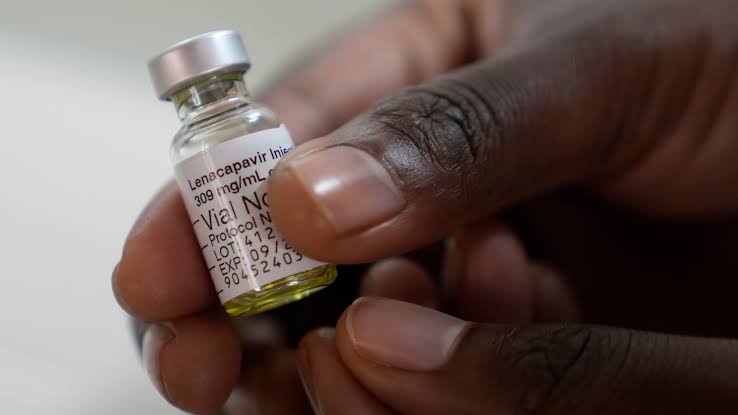
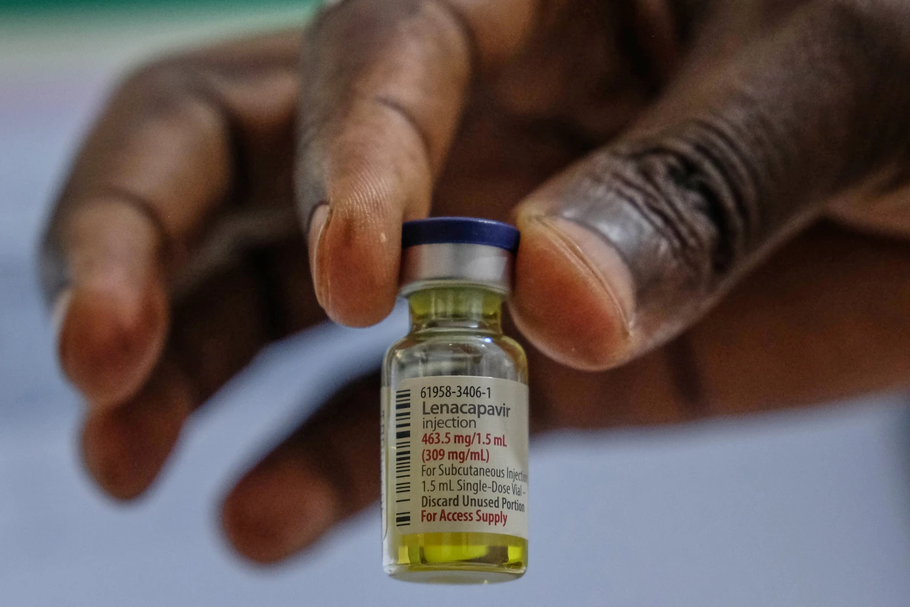
HARARE – Zimbabwe is set to receive additional supplies of lenacapavir in generic form as international efforts gather pace to expand access to one of the most significant recent developments in HIV prevention.
Indian pharmaceutical manufacturer Hetero has begun shipping generic versions of the drug to African markets, with plans to supply 300,000 vials to Zimbabwe, Zambia and Uganda.
The announcement, reported by Reuters on Thursday, November 26, comes as the Global Fund to Fight AIDS, Tuberculosis and Malaria confirms that its first generic lenacapavir shipment to Zimbabwe is expected in early 2027.
The supplies are intended to support wider access to the long-acting medicine, which requires two injections a year and offers an alternative to daily oral pre-exposure prophylaxis (PrEP).
The development is particularly significant for Zimbabwe, where the original version of lenacapavir was introduced in February 2026 under a phased national prevention programme.
Generic supply to expand access
Hetero’s announcement marks an important step towards expanding the availability of lenacapavir in countries with high HIV burdens.
The company plans to supply 300,000 vials across Zimbabwe, Zambia and Uganda. It has not publicly disclosed the allocation for each country or confirmed the specific delivery date for Zimbabwe.
The Global Fund announced on November 25 that the first generic deliveries had arrived in Zambia, with supplies to Uganda expected shortly afterwards. Zimbabwe’s Global Fund-financed shipment is scheduled for early 2027.
The distinction is important because generic supply is expected to increase the volume of medicine available as international partners seek to expand the programme.
Gilead Sciences, which developed the original drug, has licensed six generic manufacturers, including Hetero and Dr Reddy’s Laboratories, to manufacture and supply versions of lenacapavir in 120 low- and middle-income countries.
The licensing arrangement is intended to broaden access in regions where the cost and availability of newer medicines have historically limited public health programmes.
Zimbabwe’s existing rollout
Zimbabwe became one of the first countries globally to introduce lenacapavir when the Ministry of Health and Child Care launched the programme on February 19, 2026.
The initial programme targeted more than 46,000 people at increased risk of HIV infection across 24 sites, with support from the United States Government and the Global Fund.
By October, the Ministry had recorded approximately 4,700 initiations from the first doses distributed across 12 sites, according to AIDS and TB unit director Dr Owen Mugurungi.
The country had also received 23,000 doses, with a further 20,000 expected under the US-supported supply arrangement.
Health authorities were preparing to expand access nationally from January 2027, including training healthcare workers, assessing facilities and identifying alternative delivery points beyond conventional clinics.
The programme has prioritised populations facing elevated HIV exposure, including adolescent girls and young women and other key and priority populations.
The introduction of generic supplies could help strengthen the availability of the medicine as the programme moves towards wider implementation.
How the new medicine works?
Lenacapavir is a long-acting antiretroviral medicine used as pre-exposure prophylaxis.
Unlike conventional oral PrEP, which requires daily tablets, lenacapavir is administered through an injection every six months.
It works by interfering with the HIV capsid, a protein shell that protects the virus and plays an important role in its replication.
Clinical trials demonstrated very high protection against HIV infection among people using the medicine as prescribed. The World Health Organisation recommended injectable lenacapavir as an additional HIV prevention option in 2025.
The injection is not a treatment for people already living with HIV. It is intended for HIV-negative individuals who require protection against acquiring the virus. Appropriate HIV testing and clinical assessment are necessary before starting PrEP.
It also does not replace other prevention measures, including condoms, regular testing and other appropriate sexual health services.
Funding and Sustainability
The expansion comes as Zimbabwe works to sustain its HIV prevention gains amid changes in international health financing.
In October, Dr Mugurungi told The Herald that the United States had procured approximately 43,000 doses for Zimbabwe but would not continue supporting the commodity beyond that supply.
He said the Government would need to identify additional financing, including support from the Global Fund, to sustain the programme as it moved towards national implementation.
The arrival of generic versions could improve supply availability and create opportunities for more affordable procurement. However, the actual cost to Zimbabwe will depend on procurement agreements, financing arrangements and the volumes secured.
The Global Fund and the United States Government have set a joint ambition of reaching at least three million people with lenacapavir by the end of 2028.
More than 189,000 people across 10 early-adopter countries had received their first dose by November 2026. The Global Fund plans to deliver four times the volume of lenacapavir in 2027 compared with 2026, with quality-assured generics expected to account for a growing share.
Business Diary Analysis
The development has implications beyond the introduction of another medicine. It highlights the growing importance of generic pharmaceutical manufacturing in expanding access to advanced healthcare technologies across developing economies.
For Zimbabwe, the immediate benefit is the prospect of strengthening a prevention programme that has already attracted significant demand.
The twice-yearly dosing schedule may also improve adherence among people who find daily medication difficult to maintain because of work patterns, stigma, mobility or other practical barriers.
However, the medicine’s public health impact will depend on more than availability. Zimbabwe will need reliable procurement, adequate funding, trained healthcare workers, regular follow-up and sufficient delivery capacity.
There is also a supply-chain consideration. The country’s initial rollout depended heavily on external support. A sustainable programme will require predictable financing and procurement arrangements rather than periodic consignments that risk interrupting access.
The generic market could help address this challenge by increasing the number of manufacturers supplying the medicine. Greater competition has the potential to improve affordability, although lower prices should not be assumed until procurement costs are disclosed.
For Zimbabwe’s pharmaceutical sector, the development also reinforces the importance of strengthening local manufacturing capacity. While the latest generic supplies are being manufactured by international companies, the broader opportunity lies in developing the technical, regulatory and investment environment needed to increase domestic participation in pharmaceutical production.
Lenacapavir could become an important addition to Zimbabwe’s HIV prevention toolkit. Its long-term contribution, however, will depend on whether the country can finance and deliver the medicine consistently to those who need it.
Whats Next?
The immediate milestone is the arrival of the Global Fund-financed generic shipment expected in Zimbabwe in early 2027.
Health authorities will also need to complete preparations for the planned national expansion, including facility readiness, healthcare worker training and reliable arrangements for follow-up injections.
The Government’s ability to secure financing beyond existing donor-supported supplies will be equally important.
For now, the expansion of generic lenacapavir offers Zimbabwe an opportunity to increase access to a highly effective HIV prevention option. The central test will be whether the country can turn the initial rollout into a sustainable national programme.